
Hedge Trimming in Officer
Estate screens and old shelter belts need opposite treatment
Terra Maintenance provides hedge trimming in Officer VIC 3809 and throughout the Dandenong Ranges and outer south-east Melbourne. Hedge trimming in Officer covers two jobs that have almost nothing in common. North of the Princes Highway the estates run murraya, viburnum tinus, lilly pilly and photinia screens along fence lines on compact lots. South of it, older properties carry cypress and pittosporum shelter belts planted as windbreaks in the 1980s and 1990s and now four to six metres tall. Mid-winter treats those two very differently, and getting a conifer wrong is permanent rather than seasonal.
The Conifer Rule, and Why Officer Hedges Grow Harder Than Most
The single most important thing to know about a cypress, leylandii or thuja shelter belt is that the foliage lives in the outer five to ten centimetres of each branch. Inside that is brown wood with no latent buds. Cut past the green and that section never reshoots. The bare patch simply stays bare. This is not a seasonal rule; it applies in any month. It is also the mistake we are most often called in to look at on the older Officer properties south of the highway, usually after a well-meant attempt to bring a windbreak back to a sensible height in one pass. A staged reduction over more than one season is how you get a hedge back without leaving a permanent scar in it.
On the estate side, the palette is murraya, viburnum tinus, lilly pilly from the Cardinia Shire recommended list, and clipped photinia. None of those want a heavy cut in the middle of winter. Murraya in particular is sensitive to Melbourne cold snaps and only wants dead or damaged wood removed at this time of year. Photinia is the one Australian sources genuinely disagree about; the position we will stand behind is end of winter into early spring, once the worst of the frost has passed, which also gives you the red flush.
Officer's soil is the reason these screens need more attention than the same plant twenty minutes west. The estates sit on reactive Newer Volcanic clay (Officer is classed Class M under AS 2870) and that subsoil holds moisture through spring and early summer. A screen that needs one cut a year in a lighter-soil suburb often needs two here.
More on how we work: our hedge trimming service across Melbourne's outer south-east, or everything we do for Officer properties.
Hedge Trimming in Officer: Local Conditions and What That Means for Your Property
Hedge trimming in Officer is predominantly a new-estate service, which means the plant palette is fairly consistent: murraya paniculata, viburnum tinus, lilly pilly (Syzygium species from the Cardinia Shire recommended list), and clipped photinia screens along side fences. These plants grow quickly in the sandy loam topping used on estate lots, and most blocks need two structured cuts a year (late spring after the main flush, and a tidy in late summer) to keep them at fence height and prevent them developing the leggy, open base that creates a maintenance problem later. The compact lot sizes on Timbertop Boulevard and equivalent streets in Arcadia and Grandvue mean hedge waste needs to be contained and removed rather than chipped on-site; there is rarely enough driveway space or bin access to handle the volume in-situ. On older Officer properties south of the highway, the hedge picture is different in scale. Properties that were established in the 1980s and 1990s carry shelter-belt plantings of cypress, pittosporum and Acacia in functional screen rows rather than decorative fence-line hedges. These are often unpruned and have developed into informal windbreaks 4–6 m high that the owners want to reduce but not remove. Structural reduction on an overgrown cypress shelter-belt is a multi-day job requiring an elevated platform and a chipper, and the first reduction sets the form for ongoing maintenance cuts in subsequent years. The one universally consistent issue across both property types is that Officer's clay subsoil holds enough moisture through spring and early summer that hedges here grow faster and harder than in lighter-soil suburbs; a screen that would need one cut a year in Narre Warren often needs two here.
What's Included with Hedge Trimming in Officer
Every hedge trimming job for a Officer property includes the following as standard. Tailored to Cardinia conditions and the unique characteristics of local properties.
- Structured trimming cycles on estate screens, timed to the growing season rather than the calendar
- Height and width reduction on overgrown cypress and pittosporum shelter belts
- Cutting held inside the live green zone on conifers, never back into bare wood
- Clippings contained and removed where a compact estate lot has no room to chip on site
- First-cut shaping that sets a maintainable form for subsequent years
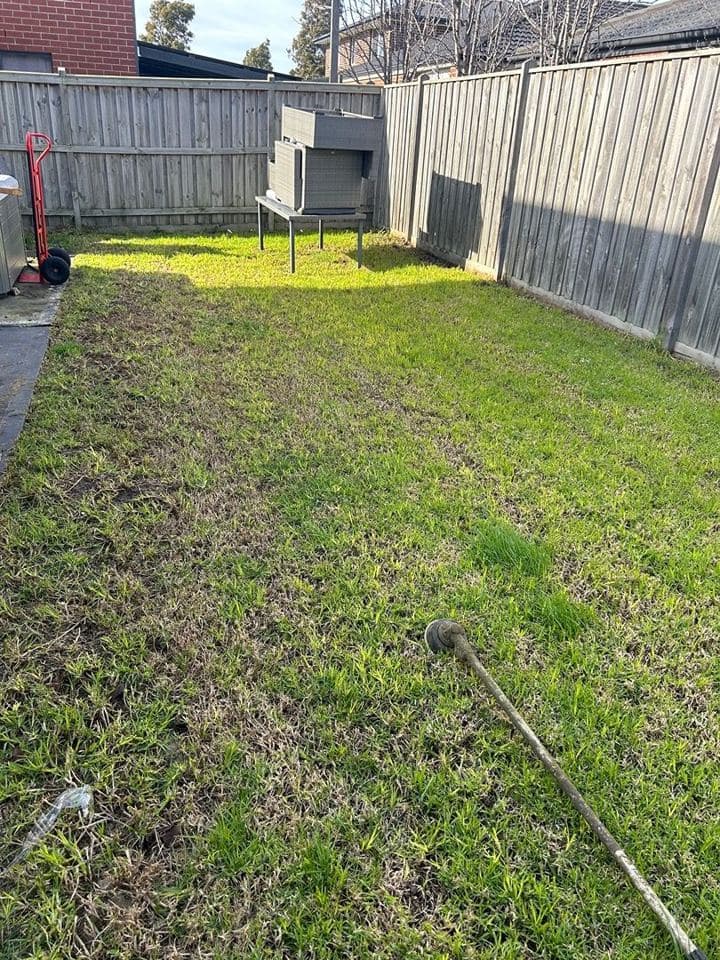
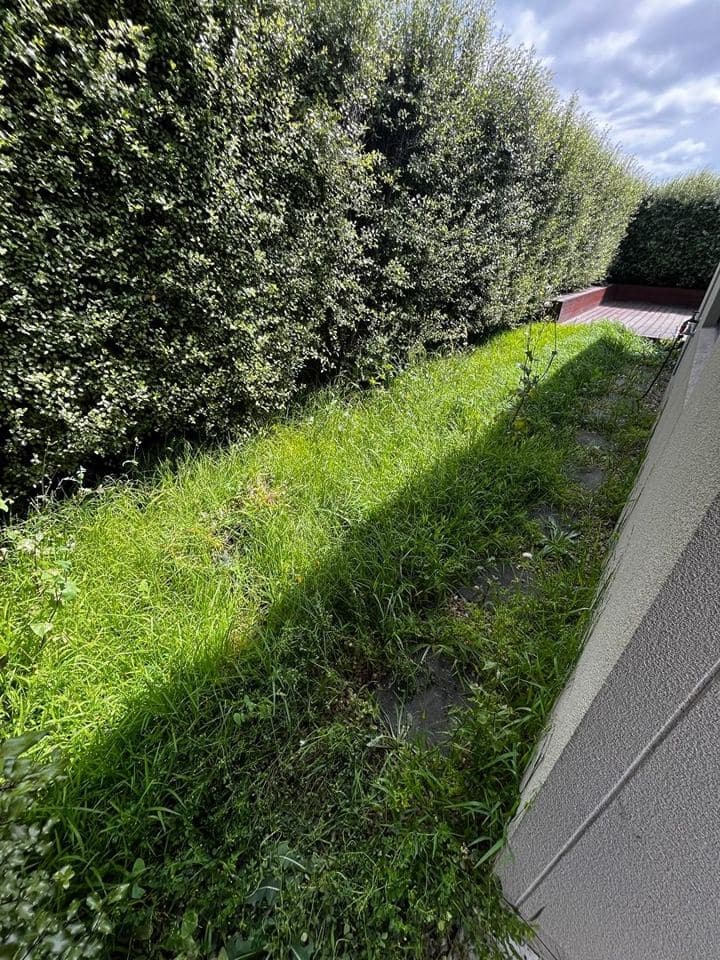
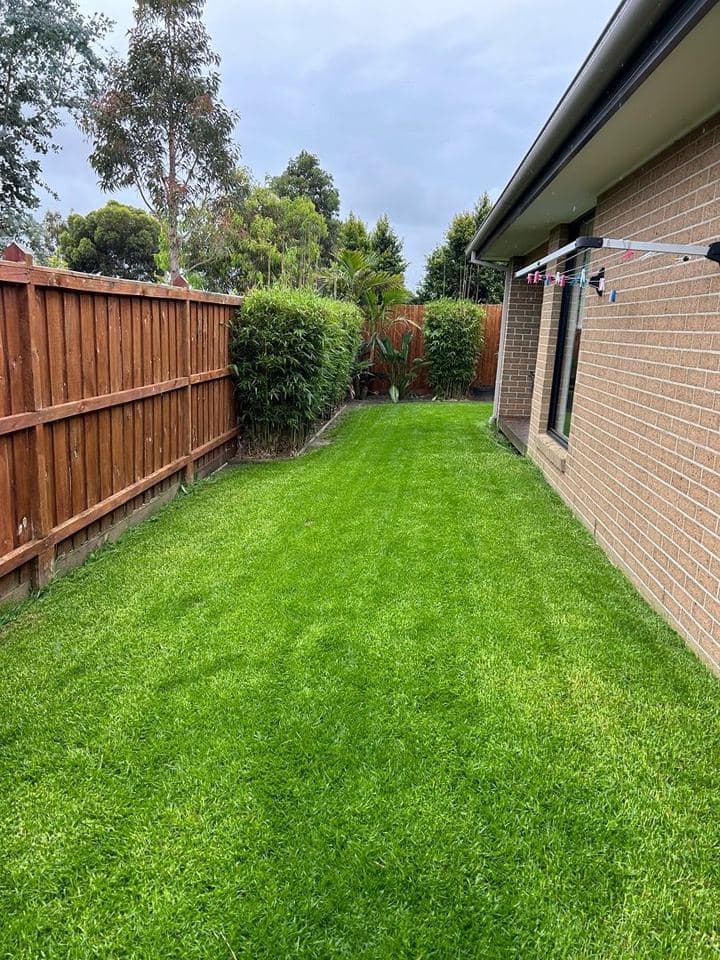
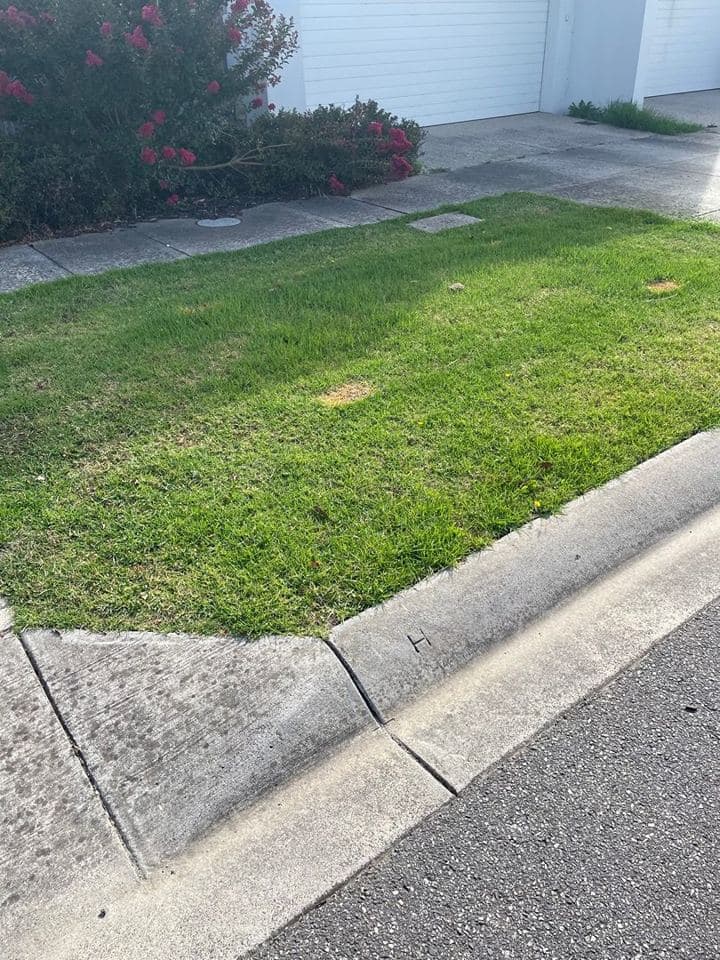
Recent Jobs in Officer
Hedge Trimming in Officer: FAQs
Common questions about hedge trimming for Officer properties.
Can you cut our cypress windbreak back hard in Officer?
Why do hedges in the Officer estates need trimming more often?
Should I trim my photinia hedge in Officer now or wait?
Hedge Trimming in Nearby Suburbs
We provide hedge trimming across the Cardinia area and beyond.
Other Services Available in Officer
See all the grounds maintenance services we provide for Officer properties.
Or view the complete Officer services overview and the Hedge Trimming service details across Melbourne.
Prefer to talk? Call us about your Officer property
Speak directly with our team about hedge trimming for your Officer property.
0457 868 060Monday - Friday, 8am - 4pm