
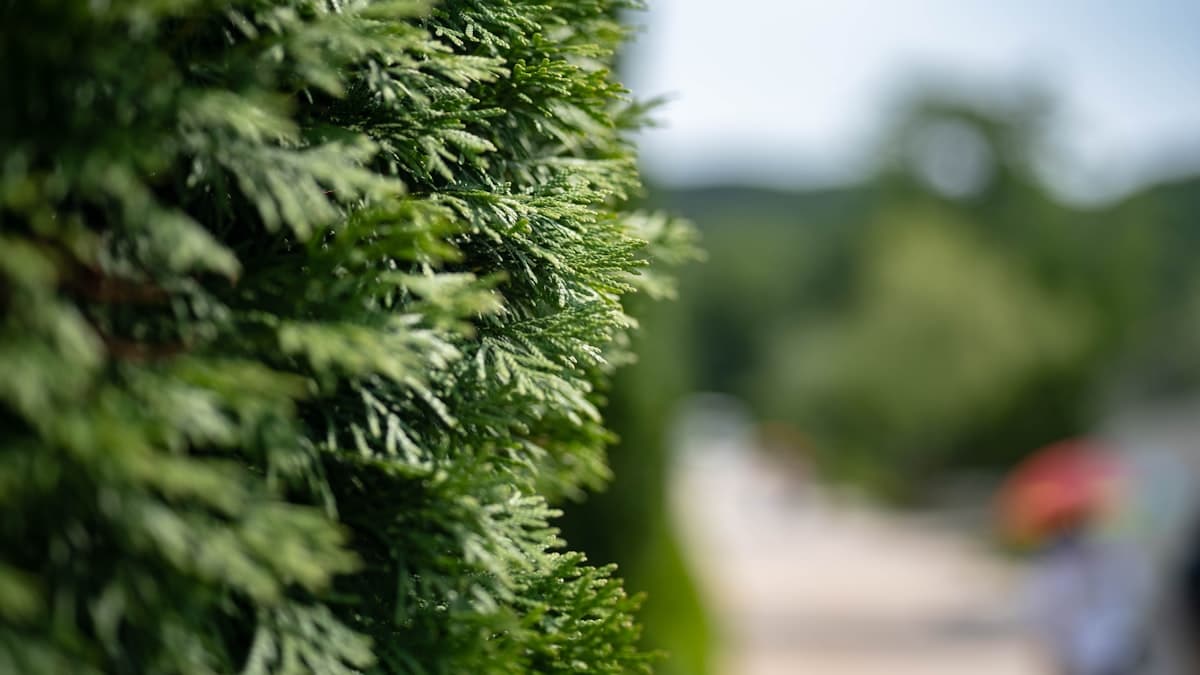
Discover the vital importance of professional hedge trimming for maintaining plant health, enhancing garden aesthetics, and boosting property value across Melbourne's Dandenong Ranges and south-east suburbs. Learn about optimal timing, techniques, and why expert care makes all the difference.
Hedge Trimming 101: Keeping Your Melbourne Hedges Healthy and Beautiful
Hedges are more than just green walls; they're living sculptures that add structure, privacy, and immense beauty to your Melbourne garden. Whether you're in the rolling hills of Emerald, the leafy streets of Belgrave, or the growing estates of Berwick, a well-maintained hedge can transform your property. But keeping them looking their best isn't just about a quick snip here and there – it's an art and a science. That's where professional hedge trimming comes in.
At Terra Maintenance, we understand the unique needs of hedges in our local climate. From the heavy clay soils around Casey to the volcanic loam in the Dandenong Ranges, and the specific growth patterns of popular species like Pittosporum, Murraya, and Buxus, we know what it takes to keep your hedges thriving.
Why is Hedge Trimming So Important?
Beyond just looking neat, regular and correct hedge trimming offers a wealth of benefits for your plants and property:
Enhances Plant Health: Trimming removes dead, diseased, or damaged branches, which helps prevent the spread of pests and diseases. It also improves air circulation within the hedge, reducing the risk of fungal issues – a common concern in Melbourne's humid periods.
Promotes Dense, Lush Growth: Regular trimming encourages your hedge to produce new shoots from within, leading to a thicker, fuller appearance. This is crucial for privacy screens and formal hedges. Without it, hedges can become leggy and sparse.
Maintains Desired Shape and Size: Hedges are often planted for specific purposes, whether it's a formal boundary or a soft, informal screen. Trimming keeps them within their intended dimensions, preventing them from overgrowing paths, blocking views, or encroaching on neighbouring properties.
Boosts Curb Appeal & Property Value: A well-maintained garden, especially one featuring neatly trimmed hedges, significantly enhances your home's aesthetic appeal. This can make a big difference if you're looking to sell, or simply want to enjoy your outdoor space more.
Improves Safety: Overgrown hedges can obscure driveways, block pedestrian pathways, or even create hiding spots. Trimming ensures clear sightlines and safe passage around your property. For properties in bushfire-prone areas like the Dandenong Ranges, maintaining CFA defendable space by keeping vegetation clear is paramount.
Pest & Disease Management: A dense, untrimmed hedge can become a haven for pests. Regular trimming allows for easier inspection and treatment, reducing the likelihood of infestations taking hold.
When to Trim Your Hedges in Melbourne: A Seasonal Guide
Timing is everything when it comes to hedge trimming. Trimming at the wrong time can stress the plant, reduce flowering, or even lead to dieback. In Melbourne, we generally work with the following seasonal approach:
Season | Optimal Trimming Period | What to Trim | Key Considerations for Melbourne |
|---|---|---|---|
Spring (Sept - Nov) | Late Spring, after the first flush of new growth. | Light shaping, remove winter damage. | Avoid trimming too early if a late frost is possible in areas like the Dandenongs. Don't remove too much if the hedge is about to flower (e.g., Murraya). |
Summer (Dec - Feb) | Early Summer (Dec/Jan) for a second trim, or late Summer (Feb) for species that grow quickly. | Maintenance trimming to maintain shape. | Avoid heavy pruning during extreme heat waves to prevent sunburn and stress. Water well before and after. |
Autumn (March - May) | Early to Mid-Autumn (March - April), before the cold sets in. | Final tidy-up, light shaping, remove any long shoots. | This trim prepares the hedge for winter dormancy. Avoid heavy pruning too close to winter, as new growth may be damaged by frost. |
Winter (June - Aug) | Only for dormant deciduous hedges or structural pruning. | Heavy renovation pruning (for overgrown hedges). | Generally avoid trimming evergreen hedges heavily. New growth stimulated in winter can be damaged by frost in colder parts of the Dandenong Ranges. |
Species-Specific Timing for Popular Melbourne Hedges:
Pittosporum (e.g., 'Screen Master', 'Silver Sheen'): Fast growers, often need trimming 2-3 times a year. Best after major growth flushes in late spring and late summer/early autumn.
Murraya paniculata (Orange Jessamine): Often trimmed after flowering (which can happen multiple times a year). Light trims are best to avoid losing too many flowers.
Buxus (Box Hedge): Slow-growing, typically needs 1-2 trims a year. Late spring and early autumn are ideal to maintain their crisp, formal shape.
Photinia (Red Robin): Trim after the new red growth has matured, usually in late spring and again in late summer, to encourage more colourful flushes.
Viburnum: Varies by species, but generally after flowering or in late spring/early autumn for shaping.
Formal vs. Informal Hedges: Different Strokes for Different Folks
The way you trim your hedge depends on the desired look:
Formal Hedges: These require regular, precise trimming to maintain a sharp, geometric shape (e.g., squares, rectangles). Buxus and some Viburnum varieties are often used for formal hedges. They demand more frequent attention to keep their crisp lines.
Informal Hedges: These are trimmed to maintain a more natural, flowing shape while still keeping them tidy and within bounds. Photinia, Murraya, and many native plants can be used for informal hedging. They generally require less frequent, but still thoughtful, pruning.
The Right Tools for a Professional Finish
At Terra Maintenance, we use a range of professional-grade tools to ensure a clean, precise cut and optimal plant health:
Sharp Shears & Secateurs: For delicate work and smaller hedges, ensuring clean cuts that heal quickly.
Electric & Petrol Hedge Trimmers: For efficiency on larger hedges, allowing for consistent, even surfaces.
Telescopic Trimmers: For reaching high hedges safely and effectively, eliminating the need for ladders in many cases.
Safety first! Professional hedge trimming involves working with sharp tools, often at height, and near electrical wires or other hazards. Our team is trained in safe work practices and uses appropriate personal protective equipment (PPE) to ensure the job is done safely and efficiently.
Why Choose Terra Maintenance for Your Hedge Trimming Needs?
For property owners in Melbourne's Dandenong Ranges and south-east suburbs (from Emerald to Officer, Monbulk to Cockatoo), choosing a professional service like Terra Maintenance means:
Expert Knowledge: We understand the specific growth habits of local hedge species and the impact of Melbourne's temperate oceanic climate.
Precision & Care: We don't just hack away. We trim with an eye for plant health, aesthetic appeal, and long-term vitality.
The Right Equipment: Access to professional-grade, well-maintained tools for a superior finish.
Time-Saving & Convenience: Free up your weekends and let us handle the hard work.
Council & Local Regulations: Awareness of local council green waste rules and other relevant guidelines.
Ready for Perfectly Trimmed Hedges?
Don't let your hedges become an overgrown wilderness. Regular, professional hedge trimming is an investment in the beauty, health, and value of your Melbourne property. Whether you need a one-off tidy-up or a regular maintenance schedule, Terra Maintenance is here to help.
Contact us today for a free estimate and let us bring precision and health back to your garden!
Prevents Pest and Disease Issues:
A dense, overgrown hedge can become a breeding ground for pests and fungal diseases. Proper trimming improves air circulation and sunlight penetration, significantly reducing these risks. This is particularly important in Melbourne's often humid conditions, which can encourage issues like powdery mildew.
Boosts Property Value and Curb Appeal:
Immaculately maintained hedges instantly elevate the aesthetic appeal of your property. They create crisp lines, define spaces, and demonstrate a commitment to garden care, all of which contribute to a higher perceived property value.
The Art of Timing: When to Trim Your Melbourne Hedges
Knowing when to trim is just as crucial as knowing how. Incorrect timing can stress the plant, reduce flowering, or even lead to disease. Our seasons in the Dandenong Ranges and south-east suburbs dictate the best approach.
General Guidelines:
New Hedges: For the first few years, focus on light, frequent pruning to encourage branching and establish a dense base.
Established Hedges: Most established hedges benefit from 1-3 trims per year, depending on their growth rate and desired formality.
Avoid Extremes: Steer clear of trimming during extreme heatwaves, severe frosts, or periods of drought. This can stress the plant and make it vulnerable.
After Flowering: For flowering hedges like Murraya, trim shortly after they finish blooming to avoid removing next season's flower buds.
Species-Specific Timing for Melbourne Gardens:
Different hedge varieties have different needs. Here's a quick guide for some popular choices:
Pittosporum (e.g., 'Screenmaster', 'Silver Sheen'): These are fast growers and often need trimming 2-3 times a year, typically in late spring, mid-summer, and early autumn, to maintain density and shape.
Murraya (Orange Jessamine): Trim after their main flowering flush, usually in late spring to early summer, and then lightly again in autumn if needed.
Buxus (Box Hedge): Being slow growers, Buxus generally only needs 1-2 trims per year, often in late spring and early autumn. Precision is key for their formal appearance.
Photinia (Red Robin): Best trimmed after a flush of new growth has hardened off, typically in late spring and again in late summer. This encourages the vibrant red new foliage.
Tools of the Trade: Essential Hedge Trimming Equipment
Using the right tools makes the job safer, easier, and produces better results. At Terra Maintenance, we invest in professional-grade equipment, but for homeowners tackling smaller jobs, consider:
Hand Shears/Secateurs: For precise cuts, shaping, and removing individual branches.
Manual Hedge Shears: Great for smaller hedges and fine detail work.
Electric or Petrol Hedge Trimmers: For larger, longer hedges. Electric models are lighter and quieter, while petrol offers more power and mobility.
Safety Gear: Always wear safety glasses, gloves, and hearing protection (especially with petrol trimmers).
Sharp Blades: Ensure all tools are sharp and clean to make clean cuts that heal quickly and prevent disease transmission.
Techniques for a Perfect Finish
Achieving that perfectly manicured look requires a bit of technique:
Taper Your Hedges: Always aim to trim your hedge slightly wider at the base than at the top. This allows sunlight to reach the lower branches, preventing them from becoming thin and leggy.
Use String Lines: For perfectly straight, formal hedges, set up string lines as a guide for the top and sides.
Trim in Sections: Work systematically, trimming one side or section at a time.
Formal vs. Informal: For formal hedges, aim for crisp, geometric shapes. For informal hedges, a more natural, flowing shape is often desired, requiring less rigid trimming.
Clean Up: Always clear away trimmings immediately. Leftover debris can harbour pests and diseases. Terra Maintenance handles all green waste removal, adhering to local council guidelines in areas like Casey and Cardinia.
Why Trust Terra Maintenance with Your Hedges?
While these tips provide a good starting point, professional hedge trimming offers unparalleled benefits. Our team at Terra Maintenance possesses the deep knowledge of local species, climate conditions, and advanced techniques required to keep your hedges looking their best year-round.
Expertise: We understand the specific growth habits of hedges in Melbourne's diverse environments, from the heavy clay soils of Berwick to the volcanic loam of Monbulk.
Efficiency & Equipment: We use professional-grade, well-maintained equipment to ensure clean cuts and efficient service, saving you time and effort.
Plant Health Focus: Our trimming practices promote strong, healthy growth, reducing the risk of disease and ensuring the longevity of your hedges.
Safety: Hedge trimming, especially for taller hedges, can be hazardous. Our trained team works safely and efficiently.
Complete Service: From precise trimming to green waste removal, we handle it all, leaving your property immaculate.
Don't let your hedges become a tangled mess or a source of frustration. Let the experts at Terra Maintenance transform them into stunning features that enhance your property's beauty and value.
Understanding Melbourne's Hedge Species & Their Needs
Melbourne's diverse gardens feature a range of popular hedge species, each with unique growth habits and trimming requirements. Understanding these specifics is key to maintaining their health and aesthetic.
Pittosporum (e.g., 'Screenmaster', 'Silver Sheen'): Fast-growing and popular for screening, Pittosporums respond well to frequent trimming to maintain density. They can become leggy if neglected.
Murraya (Orange Jessamine): Known for its fragrant flowers and dense foliage, Murraya benefits from lighter, more frequent trims, especially after flowering, to encourage bushiness.
Buxus (Boxwood): A classic for formal hedging and topiary, Buxus is slow-growing and tolerates precise, regular shaping. It's crucial not to over-trim, as it can be slow to recover.
Photinia (Red Robin): Prized for its vibrant red new growth, Photinia can be trimmed after each flush of colour to encourage more new shoots. It's a vigorous grower.
[IMAGE: A well-maintained, dense Pittosporum hedge providing privacy in a Melbourne garden]
Optimal Trimming Times for Melbourne Hedges
Timing is crucial for effective hedge trimming in our Southern Hemisphere climate. Trimming at the right time promotes healthy growth, flowering (if applicable), and density, while minimising stress on the plant.
General Guidelines:
Spring (September - November): This is often the best time for a major trim, especially for deciduous hedges or those needing significant reshaping. New growth will quickly fill in.
Summer (December - February): Lighter trims can be done to maintain shape, but avoid heavy pruning during extreme heat, which can scorch new growth.
Autumn (March - May): A good time for a final tidy-up before winter. Avoid heavy pruning too late in autumn, as new growth may be susceptible to frost.
Winter (June - August): Generally, avoid heavy trimming unless dealing with dead or diseased branches. Growth is slow, and plants are more vulnerable.
Species-Specific Timing:
Hedge Species | Optimal Trimming Period | Notes for Melbourne |
|---|---|---|
Pittosporum | Spring, early Summer, Autumn | Can tolerate 2-3 trims annually for density. Avoid severe cuts in peak summer. |
Murraya | After flowering (late Spring/early Summer), Autumn | Light trims encourage more flowers and bushiness. |
Buxus | Late Spring, early Autumn | Slow-growing, so less frequent, precise trims are best. Avoid winter pruning. |
Photinia | After each flush of red growth (Spring, Summer, Autumn) | Promotes vibrant new foliage. Can be trimmed quite hard in early spring. |
Mastering Hedge Trimming: Essential Tools and Techniques
Having the right tools and knowing how to use them safely and effectively is paramount for achieving a professional finish and ensuring plant health.
Tools of the Trade:
Manual Shears: Ideal for precision work, smaller hedges, and quieter operation.
Electric/Cordless Hedge Trimmers: Efficient for larger hedges, offering speed and consistent cuts. Cordless models provide excellent maneuverability.
Petrol Hedge Trimmers: Powerful and suited for very large, dense hedges or commercial applications.
Loppers & Pruning Saws: Essential for removing thicker branches (over 1.5-2cm diameter) from the interior of the hedge.
Safety Gear: Always wear safety glasses, gloves, sturdy footwear, and hearing protection (for petrol trimmers).
Key Trimming Techniques:
The A-Shape: For most hedges, trim the top narrower than the base. This allows sunlight to reach the lower foliage, preventing it from becoming sparse.
Clean Cuts: Always use sharp tools to make clean cuts. Ragged cuts can invite disease and pests.
Step Back & Assess: Regularly step back to view your work from a distance. This helps maintain an even line and shape.
Don't Over-Prune: Avoid removing more than one-third of the hedge's total volume in a single trim, especially for established hedges.
Formal vs. Informal: For formal hedges, aim for crisp lines. For informal hedges, a more natural, flowing shape is desired, often achieved with selective pruning rather than shearing.
The Terra Maintenance Difference: Professional Hedge Trimming
While DIY trimming can be rewarding, professional services offer unmatched precision, efficiency, and expertise, especially for larger properties or complex hedge designs. At Terra Maintenance, we bring:
Local Expertise: Deep understanding of Melbourne's climate, soil conditions (from the heavy clay in Casey to the volcanic loam in the Dandenong Ranges), and common hedge species.
Specialised Equipment: Commercial-grade tools for efficient and precise trimming, ensuring a superior finish.
Safety First: Adherence to WorkSafe guidelines and best practices, particularly when working at height or with powerful machinery.
Green Waste Removal: We handle all the clippings, leaving your property neat and tidy, adhering to local council green waste regulations.
Integrated Garden Care: Our services often extend beyond just trimming, including soil health checks, pest and disease monitoring, and overall garden maintenance.
Whether you're after perfectly manicured formal hedges in Berwick, natural screens in Emerald, or robust privacy barriers in Officer, Terra Maintenance has the skills and experience to keep your hedges healthy and looking their absolute best. Let us take the hard work out of maintaining your living green sculptures.
Ready to give your hedges the professional care they deserve? Contact Terra Maintenance today for a free, no-obligation estimate. We serve the Dandenong Ranges and south-east suburbs of Melbourne, ensuring your garden remains a beautiful and thriving space.
Related Articles
Autumn Leaf Removal for Treed Dandenongs Properties
On treed hills properties, autumn leaf removal works best as a series of clears from April to June. Why the drop matters more in the Dandenongs and how to stay ahead of it.
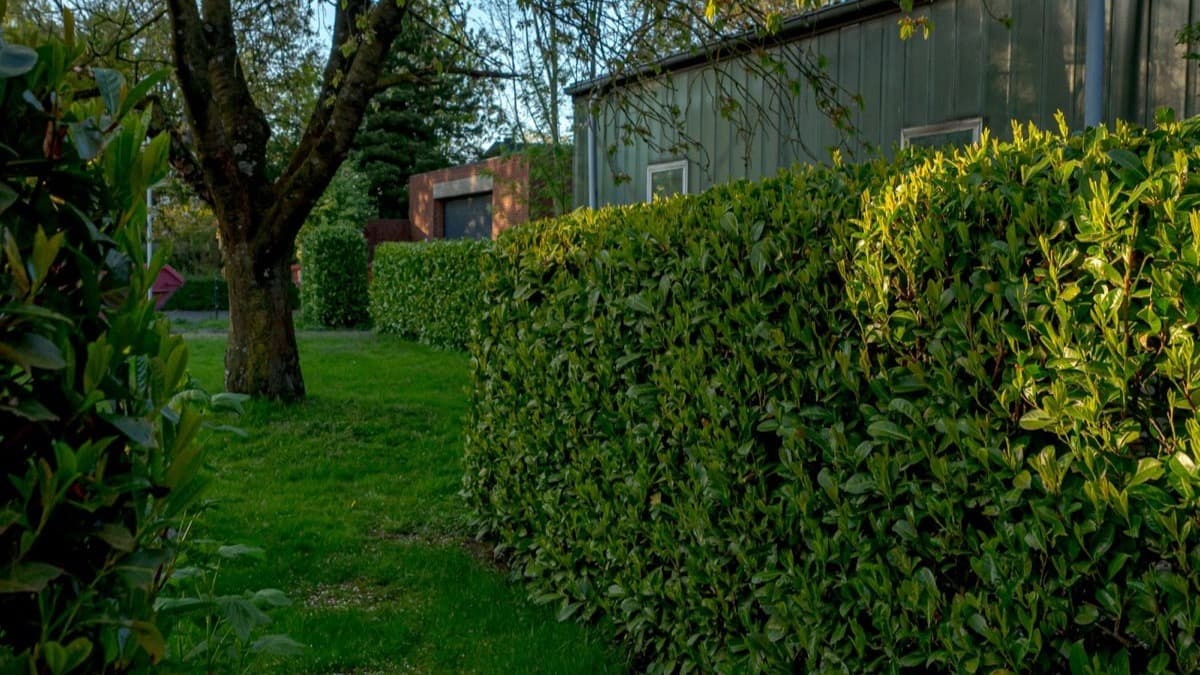
When to Prune Hedges in the Dandenong Ranges
The main hedge prune in the Dandenong Ranges lands in late winter to early spring, with a lighter trim in late summer. A species-by-species timing guide for hills gardens.
Best Mulch for Dandenong Ranges Gardens
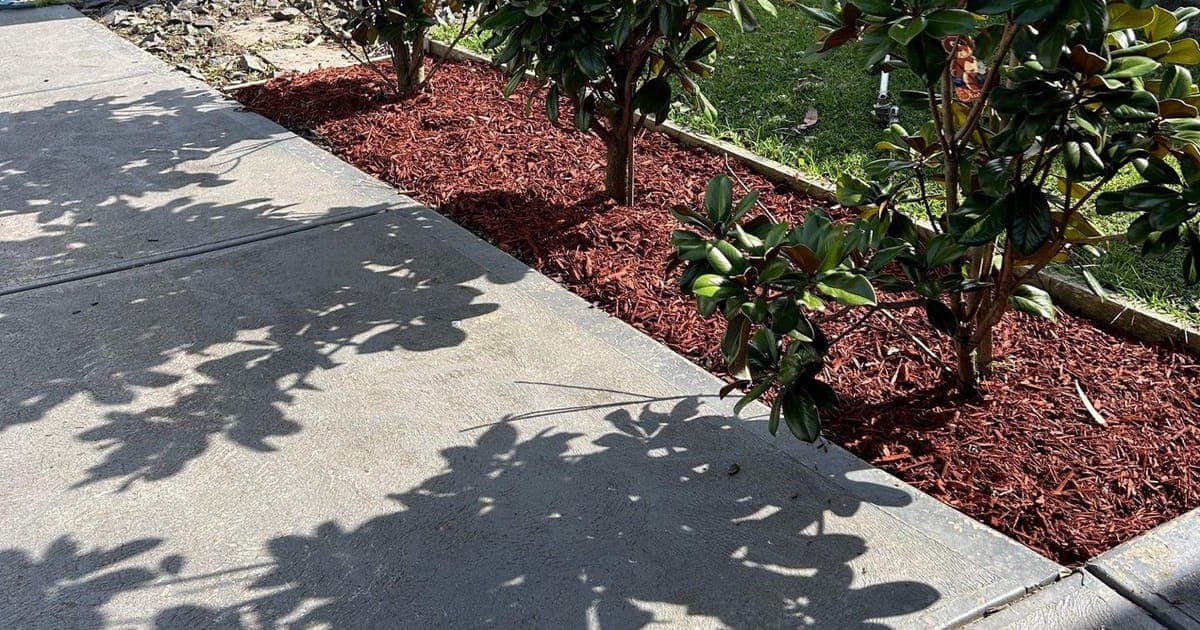
For most hills gardens, a coarse organic mulch, aged hardwood, pine bark or composted leaf and tree chip, is the best all-round choice. How to pick, lay and reuse mulch in the ranges.