
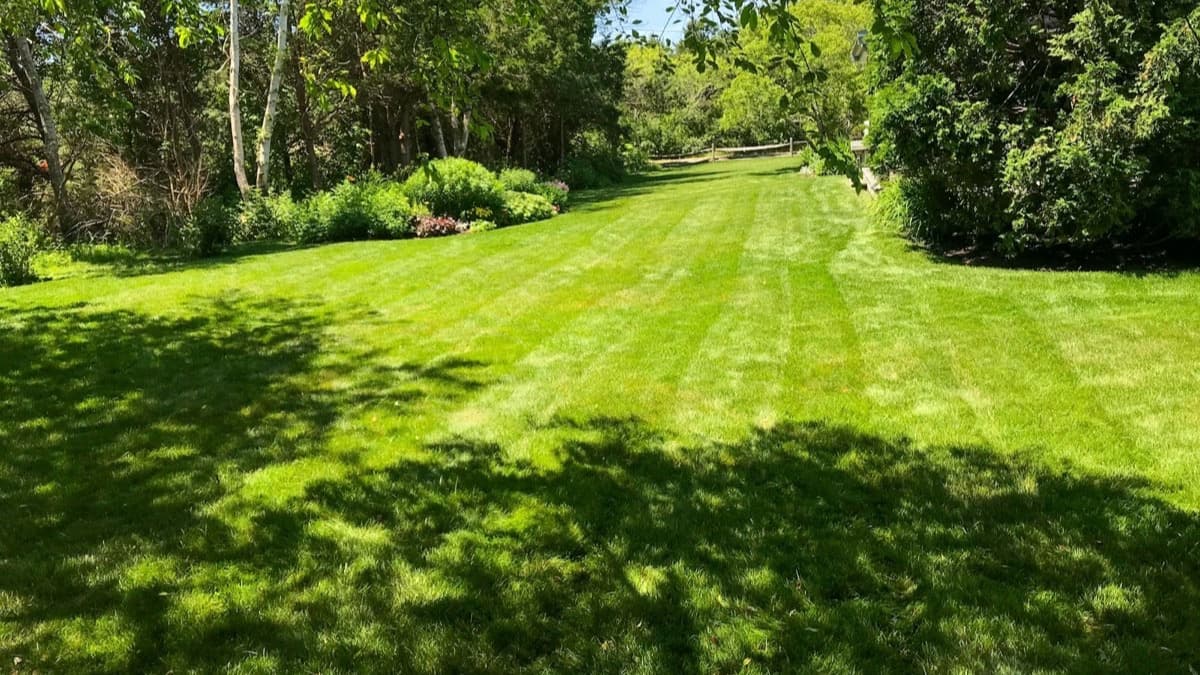
On the heavy clay of south-east Melbourne, deep-rooted warm-season grasses, buffalo, couch and kikuyu, outperform fine cool-season turf. How to pick and maintain a lawn that copes with clay.
For the heavy clay soils common across south-east Melbourne, the best-performing lawns are warm-season grasses with deep, tough roots, buffalo (such as Sir Walter), couch, and kikuyu. They cope with clay's poor drainage and summer hardness far better than fine cool-season turf, and they recover well from the wet-then-baked cycle that clay puts a lawn through. Buffalo is the most forgiving all-rounder for the typical outer-suburban block.
This guide covers which lawn types suit clay, the trade-offs between them, and how to keep any of them healthy on the clay-heavy blocks around Berwick, Officer, Narre Warren and the outer corridor.
Why clay soil is hard on lawns
Clay holds water and nutrients well, but it drains slowly, compacts easily, and sets hard in summer. On the outer south-east corridor, Pakenham, Officer, Berwick, Beaconsfield and the newer estates, that means:
- Waterlogging and root rot through a wet Melbourne winter.
- Compaction that chokes roots, especially on high-traffic lawns.
- Hard, cracked ground in summer that shallow-rooted grasses cannot push through.
The answer is a grass that tolerates both extremes, plus management that keeps the soil open.
The best lawn types for clay
Buffalo (e.g. Sir Walter, Palmetto)
The strongest all-rounder for clay in this region. Soft-leaf buffalo tolerates wet and dry, handles part-shade (useful on treed blocks), has good wear recovery, and stays green longer into the cooler months than couch or kikuyu. Lower maintenance than the runners, with less invasive spread into beds.
Couch
Fine-leaved, hard-wearing and very drought-tolerant once established, with excellent summer colour in full sun. The trade-offs: it browns off in winter, needs full sun, and runs aggressively into garden beds, so it needs regular edging to stay contained.
Kikuyu
The toughest and fastest to establish, ideal for big, sunny blocks and acreage where wear resistance matters. It is vigorous to the point of invasive, so it suits larger open lawns more than tidy suburban beds, and it needs frequent mowing and edging in growth.
Tall fescue (the cool-season option)
If you want a green winter lawn, turf-type tall fescue is the most clay-tolerant of the cool-season grasses, with deep roots that cope with heavier soil. It stays green year-round but needs more water through summer than the warm-season options.
Quick comparison
- Most forgiving all-rounder: buffalo
- Best in full sun / drought: couch
- Toughest for big sunny blocks: kikuyu
- Green through winter: tall fescue
- Best for shade / treed blocks: buffalo
The grass is only half of it, manage the clay
On clay, how you maintain the lawn matters as much as the variety:
- Mow at the right height. Keep warm-season lawns a touch higher to shade the soil and encourage deeper roots, never scalp clay, as it bakes and cracks.
- Relieve compaction. Heavy clay benefits from periodic aeration or coring to let water, air and roots move, a worthwhile option on a struggling clay lawn. It is a specialist task we do not carry out in-house, so we can refer it where a lawn needs it.
- Edge the runners. Couch and kikuyu escape into beds on clay just as anywhere, sharp, regular edging keeps them in.
- Mow consistently in growth. Warm-season grasses grow hard from spring to autumn and need a steady cycle to stay dense and weed-free.
A note on scope: we are a maintenance provider, not a turf-laying or landscaping outfit, choosing and installing new turf sits outside what we do. What we do is keep an established lawn in top condition with consistent mowing, edging and upkeep.
Keeping a clay lawn healthy long-term
Whichever variety you have, a clay lawn rewards a consistent schedule far more than occasional catch-up cuts. Regular lawn mowing and edging at the right height keeps the sward dense, shades the clay, and crowds out the weeds that move into thin turf. We maintain lawns on the clay-heavy blocks throughout the outer corridor, including Officer, Berwick and Narre Warren.
Buffalo, couch and kikuyu compared
All three are warm-season grasses that suit clay, but they trade off differently on shade, water, winter colour and how hard they run into beds. The side-by-side below covers the choices that matter on a typical outer south-east block.
| Feature | Buffalo (e.g. Sir Walter) | Couch | Kikuyu |
|---|---|---|---|
| Leaf and feel | Broad, soft leaf | Fine leaf | Medium to broad leaf |
| Sun vs shade | Full sun to part shade | Full sun only | Full sun; poor in shade |
| Drought tolerance | Good | Very good | Very good |
| Winter colour | Holds colour longest | Browns off in winter | Browns off in winter |
| Wear and recovery | Good | Very good | Very good, fastest to establish |
| Spread into beds | Least invasive of the three | Runs into beds; needs regular edging | Most vigorous; needs frequent edging |
| Mowing in growth | Lower maintenance | Regular | Frequent |
| Best suited to | Shaded or treed suburban blocks | Sunny lawns wanting fine turf | Large, open, sunny blocks and acreage |
In short: buffalo is the most forgiving all-rounder and the pick for treed blocks, couch gives the finest look in full sun, and kikuyu is the toughest for big open areas. Whichever you have, it is the maintenance that keeps it dense on clay. Consistent lawn mowing and edging at the right height does more for a clay lawn than any one-off treatment, which is how we keep lawns holding up on the clay-heavy blocks around Berwick and the outer corridor.
Common questions on choosing between them
Which is lowest maintenance on clay? Buffalo. It needs less frequent mowing than couch or kikuyu, tolerates part shade, and does not run into beds as aggressively, so there is less edging to keep on top of.
Can I mix couch and kikuyu, or will one take over? Kikuyu is the more vigorous of the two and will usually out-compete couch over time, so a deliberate single-variety lawn is easier to keep looking even than a mix.
Will any of these stay green through a Melbourne winter? No. All three are warm-season grasses that brown off or fade in the cold, buffalo the least so. If a green winter lawn is the priority, tall fescue is the clay-tolerant cool-season option, at the cost of more summer water.
Request an estimate
If you would like your lawn kept on a regular maintenance cycle suited to your soil and grass type, request an estimate. We will assess the lawn area, grass type and access on-site and propose a mowing and edging schedule that fits.
Frequently asked questions
What is the best lawn for clay soil in Melbourne?
Warm-season grasses with deep, tough roots cope best with clay, buffalo (such as Sir Walter), couch and kikuyu. Buffalo is the most forgiving all-rounder; couch suits full sun and drought; kikuyu suits large sunny blocks. Tall fescue is the most clay-tolerant cool-season option if you want a green winter lawn.
Why does my lawn struggle on clay soil?
Clay drains slowly, compacts easily and sets hard in summer, so lawns can waterlog in winter and crack in summer. Choosing a deep-rooted warm-season grass makes the biggest difference, and periodic aeration or coring, a specialist task we can refer out, helps relieve compaction.
Does Terra Maintenance lay new turf?
No. We are a maintenance provider, turf installation and landscaping sit outside our scope. We keep established lawns in top condition with consistent mowing, edging and upkeep.
How should I mow a lawn on clay soil?
Mow warm-season grasses a touch higher to shade the soil and encourage deep roots, and never scalp clay, it bakes and cracks when cut too low. Keep a consistent cycle through the spring-to-autumn growth period.
Related Articles

Autumn Leaf Removal for Treed Dandenongs Properties
On treed hills properties, autumn leaf removal works best as a series of clears from April to June. Why the drop matters more in the Dandenongs and how to stay ahead of it.
When to Prune Hedges in the Dandenong Ranges
The main hedge prune in the Dandenong Ranges lands in late winter to early spring, with a lighter trim in late summer. A species-by-species timing guide for hills gardens.
Best Mulch for Dandenong Ranges Gardens
For most hills gardens, a coarse organic mulch, aged hardwood, pine bark or composted leaf and tree chip, is the best all-round choice. How to pick, lay and reuse mulch in the ranges.