
On treed hills properties, autumn leaf removal works best as a series of clears from April to June. Why the drop matters more in the Dandenongs and how to stay ahead of it.
On treed Dandenongs properties, autumn leaf removal is best done as a series of clears from April through June, not one big rake at the end. The hills are full of deciduous exotics, oaks, liquidambars, maples, elms and birches, that drop heavily over several weeks, and letting that load sit smothers lawns, blocks gutters and drains, and turns paths into a slip hazard in the damp. Staying ahead of it with regular clears is the difference between a tidy property and a soggy mess.
This guide covers when the drop happens in the ranges, why it matters more here than on the lowlands, and how to keep on top of it through autumn.
Why leaf fall is a bigger job in the hills
Properties around Sassafras, Olinda, Ferny Creek and the wider ranges sit among mature deciduous trees, both garden plantings and the established exotics the hills are known for. Combined with the cooler, damper climate, that creates problems a flatter, less-treed block never sees:
- Smothered lawns. A thick mat of wet leaves blocks light and air, and turf yellows and thins underneath within weeks.
- Blocked gutters and drains. Heavy leaf fall clogs gutters and stormwater fast, a real concern through a wet hills autumn and winter.
- Slippery paths and drives. Wet leaves on shaded paths and steps become a genuine slip hazard.
- Damp build-up. Leaves trapped in beds and against the house stay wet and encourage rot and fungal issues in the shade.
When the drop happens
In the Dandenongs, the deciduous drop runs roughly:
- Early autumn (late March–April): the first leaves turn and fall, a good time to start clearing rather than waiting.
- Peak (May): the heaviest fall, especially after wind and the first cold snaps. This is when a property needs the most frequent attention.
- Late (June): the last of the oaks and stubborn holders drop. A final clear sets the property up clean for winter.
Because the load comes over weeks, a single end-of-season clear leaves leaves sitting and doing damage in the meantime. Regular passes through the drop work far better.
Keeping on top of it
- Clear lawns first and often. Turf is the most vulnerable to smothering, keep it clear through the heaviest weeks.
- Watch gutters and drains. Heavy leaf fall can back them up in wet weather. Gutter cleaning itself is a referred service we do not carry out in-house, but keeping leaf fall down around the property reduces the load reaching them.
- Don't let leaves mat in beds. Clear them off plantings and away from the house to avoid damp build-up.
- Reuse where you can. Suitable leaf fall can be composted or chipped into leaf mulch rather than all of it carted off, a useful soil-builder for hills garden beds.
Where we fit
Our leaf removal service covers raking, blowing and clearing leaf fall from lawns, beds, paths and hard surfaces, with green waste collected and removed from site. On the heavily treed blocks across the ranges, we schedule clears through the autumn drop rather than a single late tidy, so the property never gets buried. It pairs naturally with the rest of an autumn property tidy, beds, edges and a seasonal clean-up before winter.
Local leaf clearing across the ranges
We clear leaf fall on treed properties throughout the hills, including Sassafras, Olinda and Ferny Creek, some of the most heavily treed addresses in the service area, where the autumn drop is a genuine recurring job.
Request an estimate
If your property is heading into the autumn drop and you would rather not spend every weekend raking, request an estimate. We will assess the tree cover, lawn and hard-surface area on-site and propose a clearing schedule that keeps the property tidy right through the season.
Frequently asked questions
When is the best time for leaf removal in the Dandenong Ranges?
Through autumn, from April to June, as a series of clears rather than one big rake. The deciduous drop in the hills runs over several weeks, peaking in May, so regular passes keep lawns and paths clear instead of letting the load sit and do damage.
Why does leaf fall matter more on a treed hills property?
Mature deciduous trees plus a cool, damp climate mean heavy leaf loads that smother lawns, block gutters and drains, and make shaded paths slippery. A flatter, less-treed block never sees the same volume, so hills properties need more frequent clearing.
Should I clear leaves all at once or regularly?
Regularly. Because the drop comes over weeks, a single end-of-season clear leaves wet leaves sitting and smothering the lawn in the meantime. Scheduled passes through April to June work far better.
Can leaves be reused rather than removed?
Yes. Suitable leaf fall can be composted or chipped into leaf mulch, a useful soil-builder for hills garden beds, rather than all of it being carted off site.
Related Articles
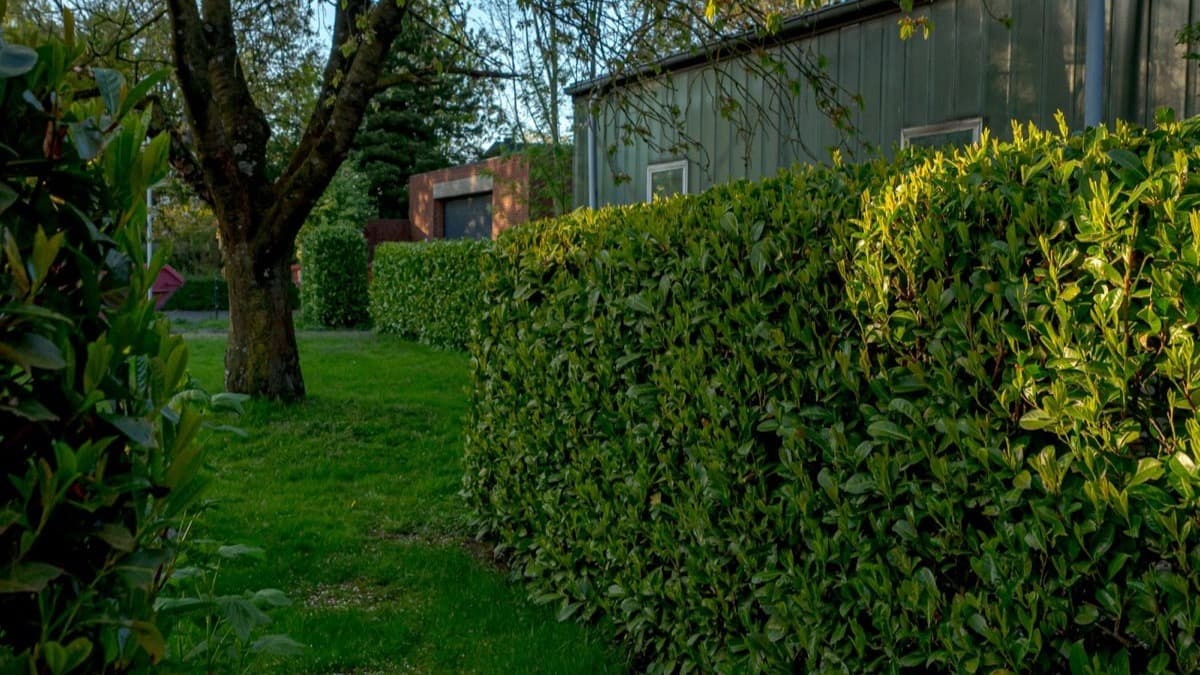
When to Prune Hedges in the Dandenong Ranges
The main hedge prune in the Dandenong Ranges lands in late winter to early spring, with a lighter trim in late summer. A species-by-species timing guide for hills gardens.
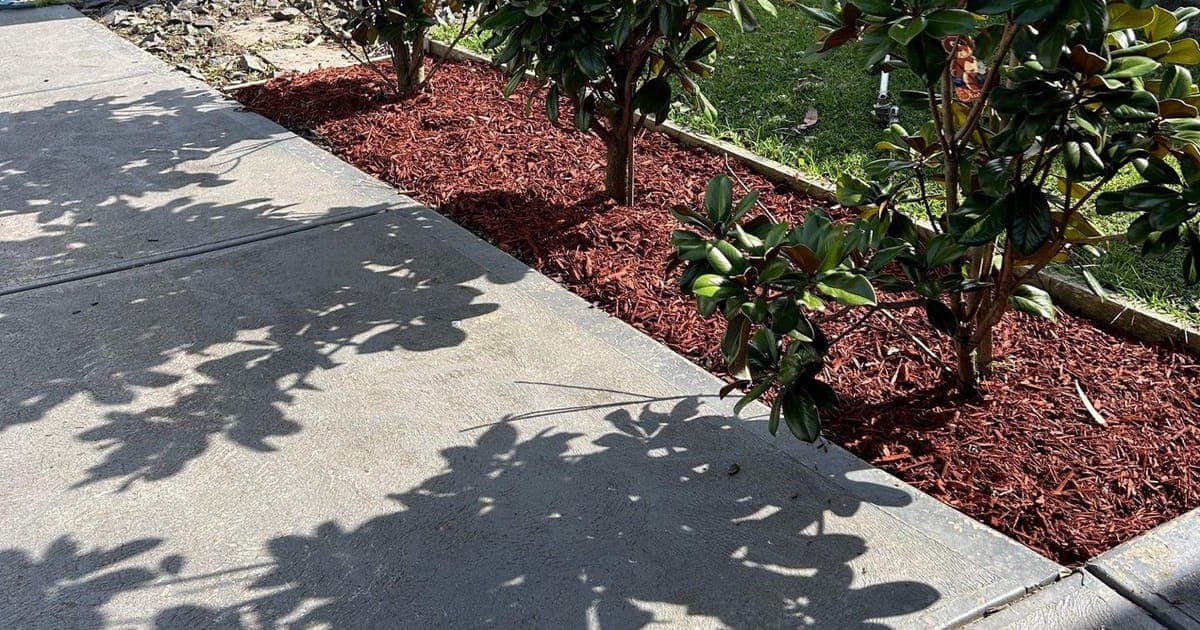
Best Mulch for Dandenong Ranges Gardens
For most hills gardens, a coarse organic mulch, aged hardwood, pine bark or composted leaf and tree chip, is the best all-round choice. How to pick, lay and reuse mulch in the ranges.
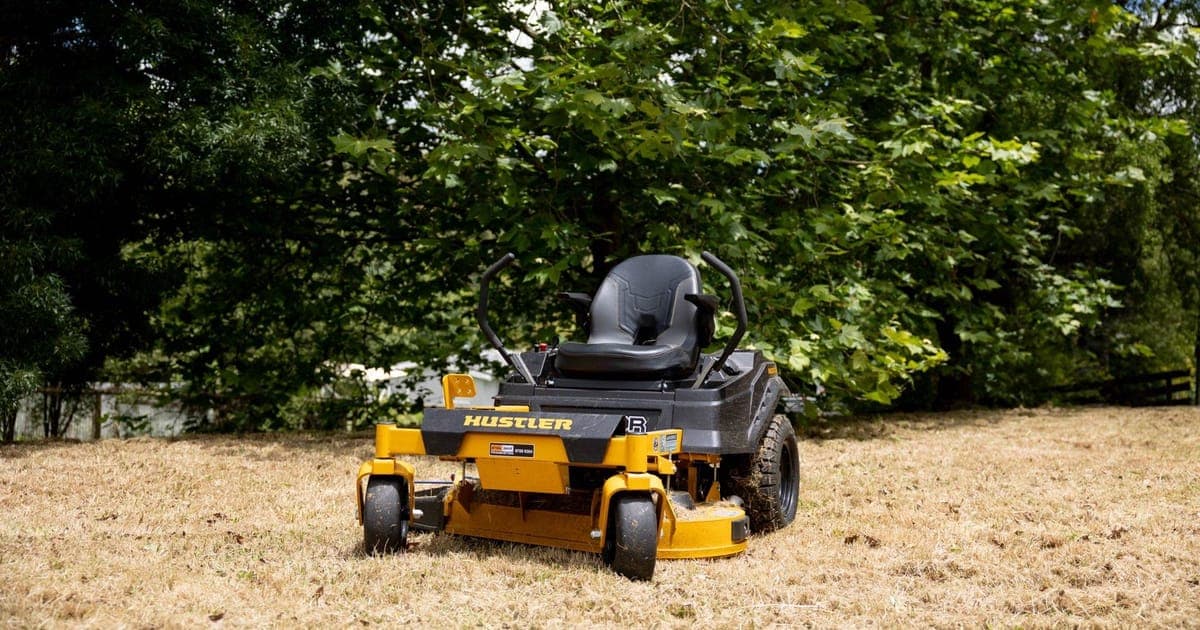
Clearing an Overgrown Block Before Fire Season (VIC)
The time to clear an overgrown block for fire season in Victoria is spring, before the Fire Danger Period and before the grass cures off. What fuel reduction involves and when to book it.