
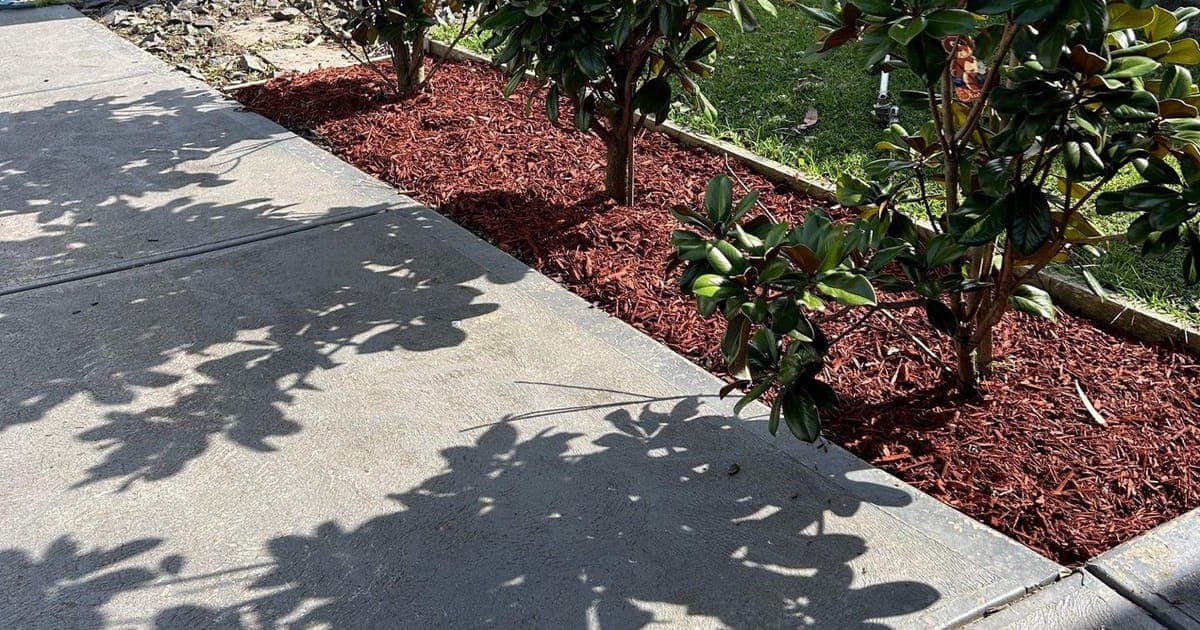
For most hills gardens, a coarse organic mulch, aged hardwood, pine bark or composted leaf and tree chip, is the best all-round choice. How to pick, lay and reuse mulch in the ranges.
For most Dandenong Ranges gardens, a coarse organic mulch, aged hardwood chip, pine bark, or composted leaf and tree mulch, is the best all-round choice. It holds moisture through summer, suppresses weeds, breaks down slowly to feed the soil, and suits the cool, damp, acid-leaning conditions common across the hills. The right pick depends on the bed, the slope, and whether you are feeding the soil or just finishing a display bed.
Below is how to choose mulch for the ranges climate, how deep to lay it, and the common mistakes that cost gardens here.
What makes hills gardens different
Gardens around Olinda, Sassafras, Monbulk and the wider ranges sit in a cooler, wetter micro-climate than lowland Melbourne, often with sloping blocks, heavy tree cover and naturally acidic, moisture-holding soil. That shapes the mulch decision:
- Slopes shed fine, loose mulch in heavy rain, a coarser, knitting mulch stays put.
- Damp and shade mean mulch breaks down faster and can stay soggy, so airflow and the right depth matter.
- Established trees drop a steady supply of leaf litter that can be chipped and reused on-site.
The main mulch types, compared
Aged hardwood chip
A strong all-rounder for garden beds and around established shrubs. It knits together, stays put on slopes, breaks down slowly and suppresses weeds well. Use aged, not fresh, fresh hardwood can draw nitrogen from the soil as it breaks down.
Pine bark
Long-lasting and tidy, good for display beds and around acid-loving plants common in the hills such as rhododendrons, azaleas and camellias. Larger nuggets last longer; smaller grades break down faster but look neater.
Composted leaf and tree mulch (arborist chip)
The best choice when feeding the soil is the goal, once it has been composted or aged. Fresh, uncomposted arborist chip can temporarily draw nitrogen from the soil as it breaks down, so let it age first or keep it as a surface mulch rather than digging it in. Composted on-site tree and leaf material adds organic matter as it breaks down, which suits the ranges' garden beds and native plantings. It is also the most cost-effective if you have trees producing the raw material.
Sugar cane and pea straw
Fine, fast-breaking-down mulches good for veggie patches and annual beds. They feed the soil quickly but need topping up often and will wash off slopes, keep them to flat, sheltered beds.
Gravel and stone
Inorganic and long-lasting, but it does not feed the soil and can bake roots in exposed spots. Best kept to paths and dry, modern plantings rather than the hills' lush garden beds.
How deep, and how to lay it
- Lay organic mulch 50–75 mm (5–7.5 cm) deep, enough to block light to weed seeds without smothering roots.
- Keep mulch clear of trunks and stems by a hand's width to prevent collar rot, a real risk in the damp hills.
- Weed and water the bed before mulching, mulch locks in the moisture and conditions underneath it.
- Top up annually as it breaks down; organic mulch is meant to be renewed, not replaced wholesale.
Mulch and weed control work together
Mulch is the first line of weed suppression, but it works best alongside good weed management. Clear existing weeds first, mulching over an actively growing weed bed just delays the problem, and vigorous runners like couch, kikuyu and oxalis will push straight through a thin layer. A proper depth of mulch over a cleared, treated bed is what keeps it clean through the season.
Chipping your own material on-site
If your block carries established trees, the prunings and leaf fall can be chipped and reused as mulch rather than carted off and replaced with bought-in product. Our mulching and chipping service covers laying and spreading mulch, and turning suitable green waste into usable chip on-site, practical for the larger, treed properties common across the ranges.
Request an estimate
If you want your beds mulched to the right depth ahead of summer, or your own prunings chipped and reused, request an estimate. We will assess bed area, mulch type and volume on-site and propose the most suitable approach for your garden.
Frequently asked questions
What is the best mulch for Dandenong Ranges gardens?
A coarse organic mulch, aged hardwood chip, pine bark, or composted leaf and tree mulch, suits most hills gardens. It holds moisture, suppresses weeds, stays put on slopes, and breaks down to feed the soil over time.
How deep should I lay mulch?
Lay organic mulch 50–75 mm deep, enough to block light to weed seeds without smothering plant roots. Keep it a hand's width clear of trunks and stems to avoid collar rot.
Should I weed before or after mulching?
Always weed before mulching. Mulching over actively growing weeds only delays the problem, and vigorous runners will push through a thin layer. Clear and treat the bed first, then mulch over the top.
Can I reuse my own tree prunings as mulch?
Yes. On treed blocks, suitable prunings and leaf fall can be chipped on-site and reused as mulch, which is more cost-effective than carting it off and buying product in.
Related Articles

Autumn Leaf Removal for Treed Dandenongs Properties
On treed hills properties, autumn leaf removal works best as a series of clears from April to June. Why the drop matters more in the Dandenongs and how to stay ahead of it.
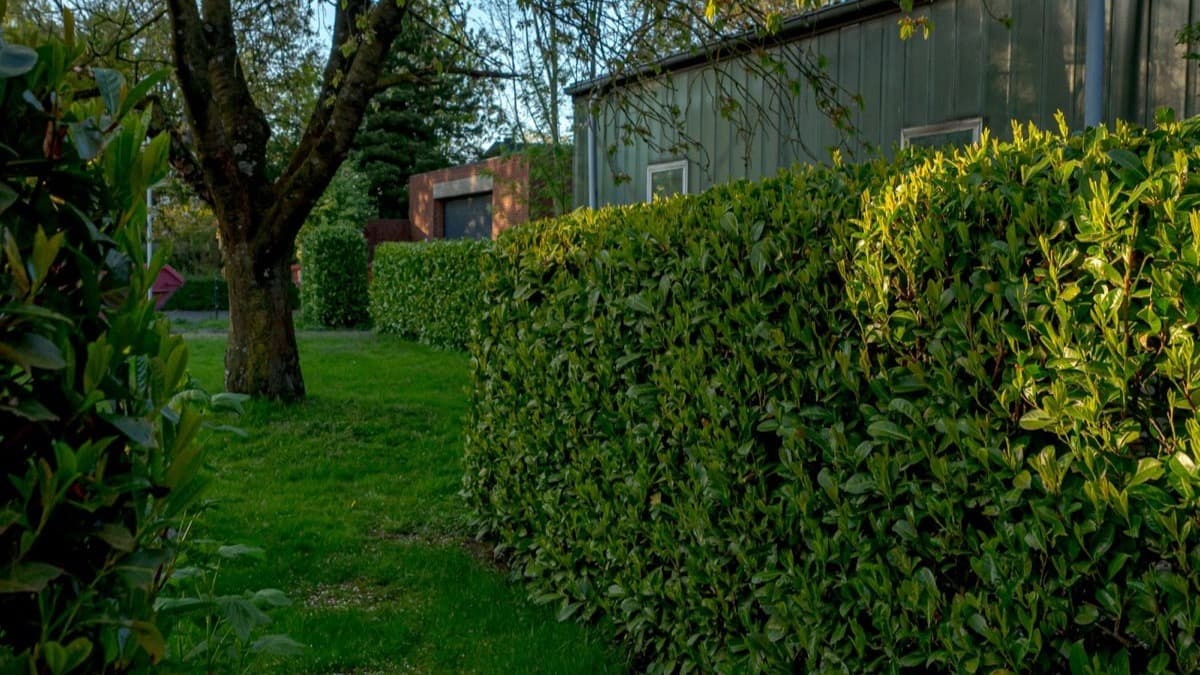
When to Prune Hedges in the Dandenong Ranges
The main hedge prune in the Dandenong Ranges lands in late winter to early spring, with a lighter trim in late summer. A species-by-species timing guide for hills gardens.
Clearing an Overgrown Block Before Fire Season (VIC)
The time to clear an overgrown block for fire season in Victoria is spring, before the Fire Danger Period and before the grass cures off. What fuel reduction involves and when to book it.