
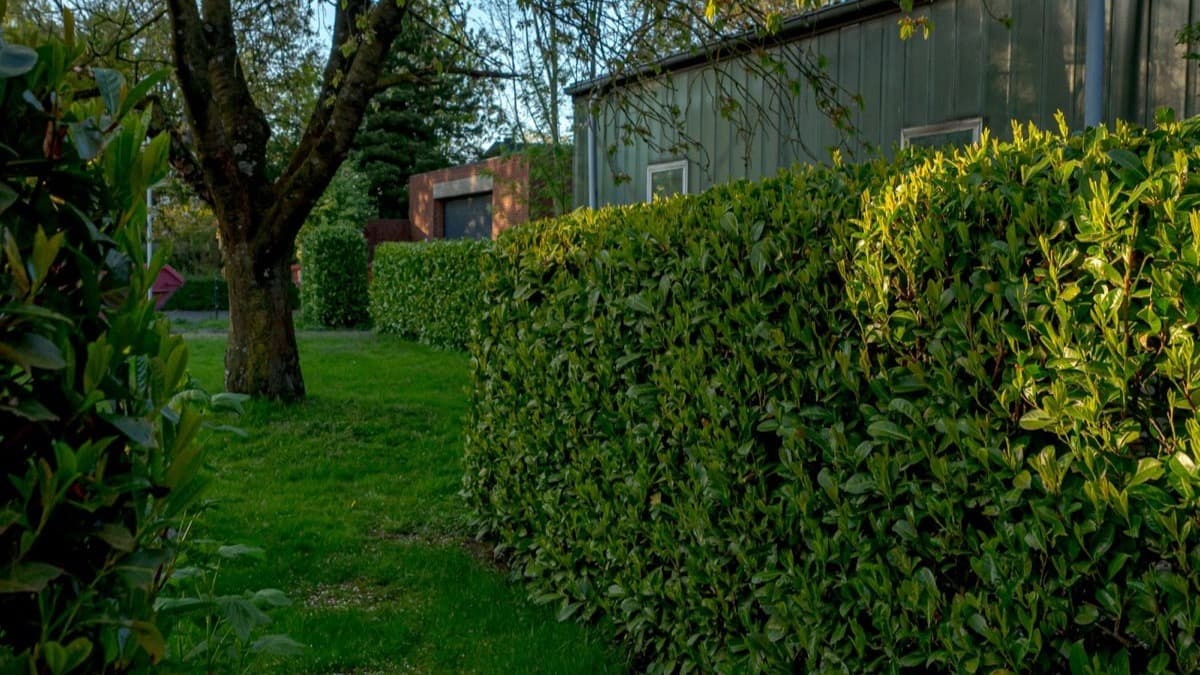
The main hedge prune in the Dandenong Ranges lands in late winter to early spring, with a lighter trim in late summer. A species-by-species timing guide for hills gardens.
In the Dandenong Ranges, the main hedge prune lands in late winter to early spring, roughly August to September, once the worst frosts have passed but before the spring flush hardens off. A lighter tidy-up follows in late summer to hold the shape through autumn. The cooler hills climate runs a few weeks behind the Melbourne lowlands, so the local calendar sits later than you might expect.
Getting the timing right protects the plant, keeps the hedge dense, and avoids cutting into stress or frost damage. Below is how to read the seasons for the common hedge species across Olinda, Monbulk, Belgrave and the surrounding ranges.
The two-prune rhythm for hills hedges
Most established hedges in the ranges do best on two cuts a year:
- Main structural prune, late winter to early spring (Aug–Sep), held to mid-spring in frost pockets: while the plant is still semi-dormant, a harder cut drives strong, even regrowth as the weather warms. In colder, frost-prone gardens, hold the harder cut until mid-spring once frosts genuinely ease, so fresh regrowth is not exposed to a late frost. This is the cut that sets the shape for the year.
- Maintenance prune, late summer to early autumn (Feb–Mar): a lighter trim to tidy the spring and summer growth and carry a clean line into winter.
Fast growers may want a third light pass through the peak of summer. Slower, formal hedges are usually fine on two.
Timing by common hills hedge species
Conifers, leyland cypress, cypress, thuja
Trim in early spring and again in late summer. The key rule: never cut back into bare, brown wood. Conifers will not reshoot from old wood, so keep cuts within the green growth and reduce gradually over seasons rather than in one hard hit.
Photinia (Red Robin)
Common right across the ranges. Prune in early spring to trigger the red new growth, then again after each flush. It handles a harder cut well, which makes it forgiving for reshaping an overgrown screen.
Buxus and English box
Trim from mid-spring once frosts ease, and avoid cutting in the heat of the day to reduce leaf scorch. A second trim in early autumn keeps the formal edge. In the damp hills, give box good airflow to manage box blight risk.
Lilly pilly
Prune in spring and through the warmer months as needed, it grows fast and responds well to regular cutting. Watch for psyllid on the new growth.
Deciduous hedges, hornbeam, beech
Cut in late winter while bare to set structure, with a light summer trim to refine the form.
Why the hills climate shifts the calendar
The Dandenongs sit higher and cooler than surrounding Melbourne, with later frosts, more moisture and shorter winter daylight under the canopy. That means:
- Hold off the early-spring cut until frost risk genuinely eases, a hard prune just before a late frost exposes tender regrowth to damage.
- Damp, shaded gardens dry slower, so prune on a fine day and clear clippings to limit fungal issues.
- Growth is vigorous in the wetter months, so hedges in Monbulk and Olinda often need that extra summer pass more than a drier lowland garden would.
Doing it well, and safely
- Use sharp, clean blades and sanitise between plants if disease is present.
- Taper the hedge slightly wider at the base than the top so light reaches the lower foliage and the base stays full.
- Step back regularly to check the line, it is easy to scallop a long run.
- Check for nesting birds before cutting in spring.
- Bag and remove clippings rather than leaving them to mat down in damp beds.
For tall screens, boundary hedges or anything needing reduction, our hedge trimming and shaping service covers shaping, reduction and seasonal upkeep within our in-house scope. Larger specialist tree work that needs climbing or a cherry picker sits outside that scope, and we refer it to trusted contractors.
Local hedge work across the ranges
We maintain hedges throughout the hills, including Olinda, Monbulk and Belgrave, where established conifer and photinia screens are common on larger garden blocks. A scheduled twice-a-year trim keeps a hedge dense and in shape without the catch-up cost of letting it run.
Species-by-species pruning timing: natives vs European hedging
The biggest divide in hedge timing is not the individual plant, it is whether it is a native or a European (exotic) hedging species. The two groups want different things. European formal hedges are pruned to a structural rhythm; most natives are pruned to their flowering cycle. Get that distinction right and the rest follows.
European and exotic hedging, prune to structure
These are the classic clipped screens, and they run on the two-cut rhythm covered above: a structural cut in late winter to early spring, then a maintenance trim in late summer.
- Photinia (Red Robin): prune in early spring to trigger the red new growth, then after each flush. It takes a hard cut well, so it is forgiving for reshaping an overgrown screen.
- Buxus and English box: trim from mid-spring once frosts ease, with a second cut in early autumn to hold the formal edge. Avoid trimming in the heat of the day to limit leaf scorch, and keep airflow up in the damp hills to manage box blight.
- Conifers (leyland cypress, cypress, thuja): early spring and again in late summer, and never cut back into bare brown wood, as they will not reshoot from it. Reduce gradually over seasons.
Native hedging, prune to the flowering cycle
Natives are increasingly common as informal screens on hills and outer south-east blocks. The general rule is to prune straight after flowering, and to favour light, frequent tip prunes over one hard annual cut. Many natives are slow or unable to reshoot from old bare wood, so staying within the green growth matters even more than it does with exotics.
- Lilly pilly: a native that behaves like a formal hedge. Prune in spring and through the warmer months as needed. It grows fast and takes regular cutting well. Watch for psyllid on the new growth.
- Bottlebrush (callistemon) and grevillea: prune just after the main flowering flush finishes. A light tip prune keeps them dense and encourages the next round of flower, whereas a hard cut into old wood can leave bare patches that are slow to fill.
- Westringia (native rosemary): responds well to regular light shaping through the warmer months and makes a tidy low to mid hedge, but avoid cutting hard back into leafless wood.
Across mixed gardens it is common to run both groups on one property, which is why a hedge round is rarely a single date. For established screens we keep each species on its own timing as part of our hedge trimming service, including on the larger garden blocks around Beaconsfield where native and exotic hedges often sit side by side.
Request an estimate
If you would like your hedges kept on the right seasonal rhythm, request an estimate and we will assess the species, height and run length on-site and propose a maintenance schedule that suits the garden.
Frequently asked questions
When should I prune hedges in the Dandenong Ranges?
The main structural prune is best in late winter to early spring (August to September) once frosts ease, with a lighter maintenance trim in late summer to early autumn. The cooler hills climate runs slightly later than lowland Melbourne.
Can I cut my conifer hedge back hard?
No. Conifers such as leyland cypress and thuja will not reshoot from bare brown wood. Keep cuts within the green growth and reduce gradually over several seasons rather than in one hard cut.
How often should a hills hedge be trimmed?
Most established hedges do well on two trims a year, a structural cut in early spring and a maintenance cut in late summer. Fast growers like lilly pilly may want a third light pass through summer.
Is it bad to prune just before a frost?
Yes. A hard prune exposes tender new growth, and a late frost can damage it. In the ranges, wait until frost risk has genuinely eased before the spring cut.
Related Articles

Autumn Leaf Removal for Treed Dandenongs Properties
On treed hills properties, autumn leaf removal works best as a series of clears from April to June. Why the drop matters more in the Dandenongs and how to stay ahead of it.
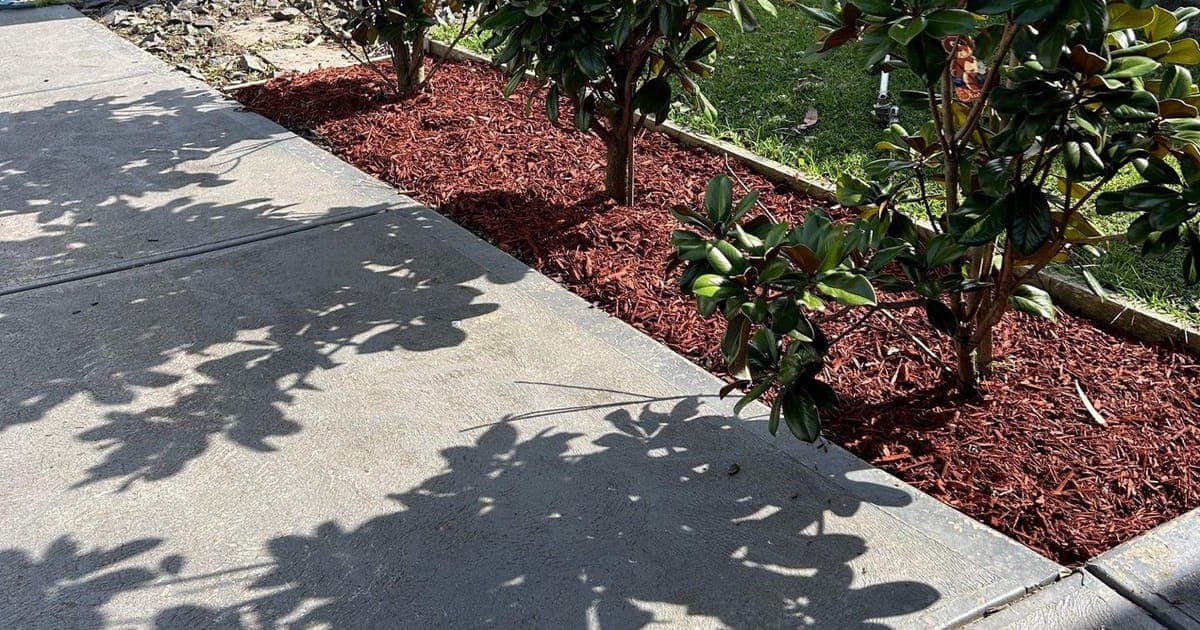
Best Mulch for Dandenong Ranges Gardens
For most hills gardens, a coarse organic mulch, aged hardwood, pine bark or composted leaf and tree chip, is the best all-round choice. How to pick, lay and reuse mulch in the ranges.
Clearing an Overgrown Block Before Fire Season (VIC)
The time to clear an overgrown block for fire season in Victoria is spring, before the Fire Danger Period and before the grass cures off. What fuel reduction involves and when to book it.