
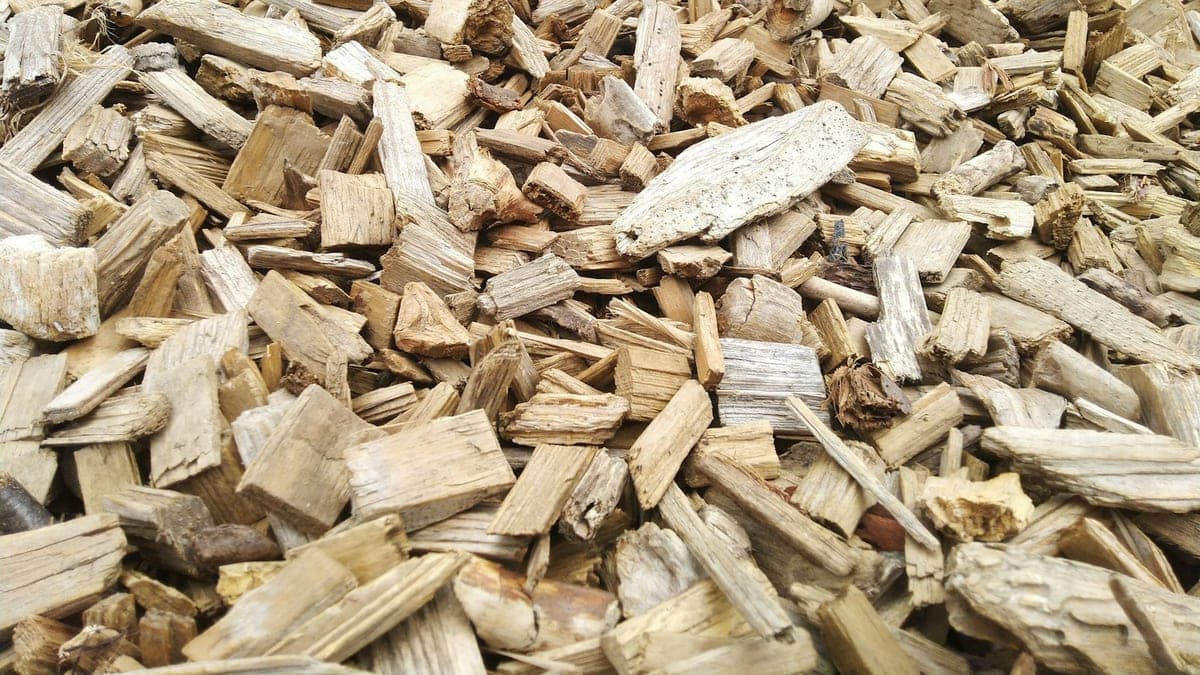
How professional wood chipping in Melbourne saves you money on tip fees and creates free mulch for your garden. A practical guide for property owners.
Why Wood Chipping Beats Skip Bins
Every year, Melbourne property owners spend hundreds, sometimes thousands, on skip bin hire and tip fees to dispose of tree prunings, hedge clippings, and storm debris. Professional wood chipping offers a smarter alternative: convert that waste into valuable garden mulch on-site, eliminating disposal costs entirely.
What Can Be Wood Chipped?
Our commercial chippers handle a wide range of green waste material:
- Tree branches: Up to 150mm (6 inches) in diameter
- Hedge clippings: All species including privet, photinia, and pittosporum
- Shrub prunings: Both native and ornamental species
- Storm debris: Fallen branches and windblown material
- Palm fronds: Though these produce coarser chips
What can't be chipped: Material with wire, nails, or fence ties (we remove these first), treated timber, or very large trunk sections (these can be cut into firewood instead).
The Economics of On-Site Chipping
On-site chipping competes with two alternatives, and the comparison usually runs the same way for a medium tree removal in Melbourne:
| Option | What it actually involves |
|---|---|
| Skip bin hire and tip fees | Bin hire, a disposal charge set by weight or volume, and the bin occupying your driveway until it is collected |
| Multiple trailer loads to the tip | A tip fee on every load, fuel, and a full day of your own time |
| On-site wood chipping added to a tree job | No cartage and no tip fees, and the chips stay on the property as usable mulch |
The chips are worth having in their own right. A single tree can produce 2–4 cubic metres of mulch, which is mulch you do not then have to buy in and have delivered.
What a chipping job itself costs comes down to the volume of material, the branch diameter, whether the chipper can get close to where the material is stacked, whether the chips stay on site or are carted away, and whether it is booked alongside tree work that already has the machine on the property. We assess the site and issue an itemised written estimate covering those factors before anything is booked.
Best Uses for Fresh Wood Chips
Immediate Use
- Garden paths and walkways, 100mm depth provides a clean, weed-free walking surface
- Erosion control: Spread on slopes to reduce water runoff
- Weed suppression in non-planted areas: Around sheds, fence lines, and driveways
After 3–6 Months Ageing
- Garden bed mulch: Once partially composted, chips won't compete with plants for nitrogen
- Tree ring mulch: Around fruit trees and ornamental trees (keep 100mm away from the trunk)
- Vegetable garden paths: Between raised beds for clean, mud-free access
How Our Wood Chipping Service Works
- We arrive with the chipper: Our commercial-grade chipper is trailered to your property alongside our tree service equipment.
- Material is processed: All prunings and branches are fed through the chipper. The process is fast, most residential jobs are completed in under an hour.
- You choose the outcome: Chips can be blown directly onto garden beds, piled in a designated area for later use, or loaded and removed from your property.
Areas We Service
We provide wood chipping services across Melbourne including:
- Dandenong Ranges: Emerald, Cockatoo, Gembrook, Belgrave, Monbulk, Olinda, Sassafras
- Casey: Narre Warren, Berwick, Harkaway, Narre Warren East
- Cardinia: Officer, Beaconsfield, Pakenham Upper, Guys Hill
Book Your Wood Chipping Service
Whether it's part of a tree removal, post-storm clean-up, or standalone green waste processing, Terra Maintenance has the equipment and experience to handle it efficiently.
Call 0457 868 060 for a free estimate.
Related Articles

Autumn Leaf Removal for Treed Dandenongs Properties
On treed hills properties, autumn leaf removal works best as a series of clears from April to June. Why the drop matters more in the Dandenongs and how to stay ahead of it.
When to Prune Hedges in the Dandenong Ranges
The main hedge prune in the Dandenong Ranges lands in late winter to early spring, with a lighter trim in late summer. A species-by-species timing guide for hills gardens.
Best Mulch for Dandenong Ranges Gardens
For most hills gardens, a coarse organic mulch, aged hardwood, pine bark or composted leaf and tree chip, is the best all-round choice. How to pick, lay and reuse mulch in the ranges.