
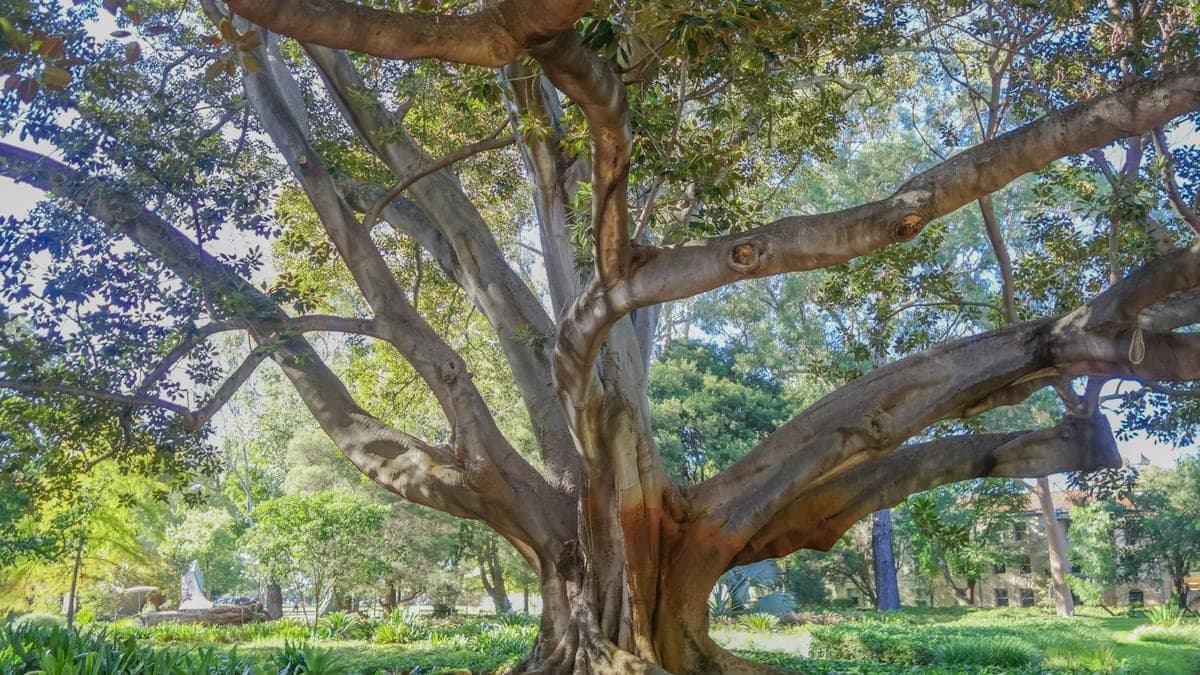
A practical guide to tree maintenance in Melbourne, when to prune, warning signs of tree problems, and how professional tree services protect your property.
Why Tree Maintenance Matters
Trees are the most valuable living assets on your property. A mature eucalyptus or established oak can add tens of thousands of dollars to your property value, but only if it's healthy and well-maintained. Neglected trees become liabilities: dropping limbs, blocking light, damaging structures, and creating fire hazards.
Regular tree maintenance is particularly important across Melbourne's south-east, where properties in the Dandenong Ranges (Emerald, Cockatoo, Gembrook, Belgrave), Casey, and Cardinia feature some of the tallest and most established trees in the metropolitan area.
Types of Tree Maintenance
Crown Thinning
Selectively removing branches within the crown to reduce density. This allows more light and air through the canopy, reduces wind resistance (lowering storm damage risk), and improves the tree's appearance. Typically removes 15–25% of the canopy volume.
Crown Reduction
Reducing the overall size of the tree's crown by cutting back to suitable growth points. Used when trees have outgrown their space, are interfering with structures or power lines, or need to be brought back to a manageable size.
Deadwood Removal
Removing dead, dying, or diseased branches. This is the most common and important tree maintenance task. Dead branches are unpredictable, they can fall without warning in still conditions, not just storms.
Formative Pruning
Shaping young trees to develop good structure. Investing in formative pruning during a tree's first 5–10 years prevents expensive corrective work later.
Hazard Reduction
Removing branches that overhang structures, paths, driveways, or power lines. Essential for safety and often required by council or insurance policies.
Warning Signs Your Trees Need Attention
Don't wait for a branch to fall. Watch for these indicators:
- Dead branches visible in the canopy: Leafless branches among healthy foliage, especially large ones
- Fungal growth on trunk or roots: Mushrooms or bracket fungi indicate internal decay
- Leaning that's getting worse: Gradual lean changes suggest root failure
- Bark splitting or cracking: Can indicate structural weakness or disease
- Branches touching structures: Roof, gutter, fence, or power line contact
- Excessive canopy density: Heavy canopy catches wind like a sail during storms
- Root heave: Lifting pavers, cracking paths, or disturbing foundations
Best Time for Tree Maintenance in Melbourne
- Deciduous trees: Prune in winter (June–August) while dormant. You can see the branch structure clearly, and wound healing begins in spring.
- Evergreen trees: Prune in late spring or early summer after the main growth flush. Avoid pruning eucalyptus during heavy sap flow periods.
- Deadwood and hazard work: Any time of year. Don't wait for the "right season" if a branch is dangerous.
- Storm damage: Fallen limbs and damaged canopies are scheduled promptly year-round. If a tree poses an immediate danger to people or property, call the SES on 132 500 first.
Tree Maintenance in the Dandenong Ranges
Properties in Emerald, Cockatoo, Gembrook, Belgrave, and surrounding suburbs face unique tree maintenance challenges:
- Tall eucalyptus species: Mountain Ash (Eucalyptus regnans) in the Ranges can reach 75+ metres. Regular hazard assessment and deadwood removal is essential.
- Storm exposure: The elevated terrain means higher wind speeds during storms. Crown thinning reduces the sail effect and lowers the risk of failure.
- Bushfire compliance: CFA guidelines require vegetation management within defendable space zones. Tree canopy separation, lower branch removal, and undergrowth clearing are part of the maintenance program.
- Heritage trees: Some Ranges properties have significant trees protected by planning overlays. Professional arborist assessment is required before any work.
DIY vs Professional Tree Maintenance
DIY appropriate: Low branches you can reach from the ground, small pruning cuts under 50mm diameter, and young tree formative pruning.
Always use professionals for: Branches over head height, cuts over 100mm diameter, work near power lines, any tree over 5 metres, trees near structures, and any work requiring climbing or EWP (elevated work platform) access.
How Much Does Tree Maintenance Cost?
We price tree work per job rather than to a published rate, because the assessable factors change the work substantially from one tree to the next:
- Size and species: Height and canopy spread set the scale of the job, and species matters as well, since a mature eucalyptus behaves very differently to an oak or a pine once work starts.
- Access and drop zone: Whether a truck, chipper, or elevated work platform can reach the tree, and whether there is clear ground to drop limbs into, is often the single biggest factor.
- Proximity to buildings, fences, and power lines: Work near a roof, a boundary fence, or a service line has to come down in controlled sections rather than be felled, and work near power lines needs coordination with the authority.
- Whether rigging or climbing is needed: A tree that can be worked from the ground or from a platform is a different job to one that has to be climbed and rigged down piece by piece.
- Green waste volume: How much material comes out, and whether it is chipped on site for mulch or carted away, changes both the time on site and the disposal cost.
Storm-damage work is scoped the same way, against what is actually on the ground. We assess the tree on site at no cost and issue an itemised written estimate covering each of those factors, so you can see exactly what the work involves before anything is booked.
Book a Tree Assessment
Terra Maintenance provides professional tree maintenance services across Melbourne, the Dandenong Ranges, Casey, and Cardinia. Our qualified arborists assess, plan, and execute tree work with full safety protocols and $20M insurance cover.
Call 0457 868 060 or request a free estimate online.
Related Articles
Autumn Leaf Removal for Treed Dandenongs Properties
On treed hills properties, autumn leaf removal works best as a series of clears from April to June. Why the drop matters more in the Dandenongs and how to stay ahead of it.
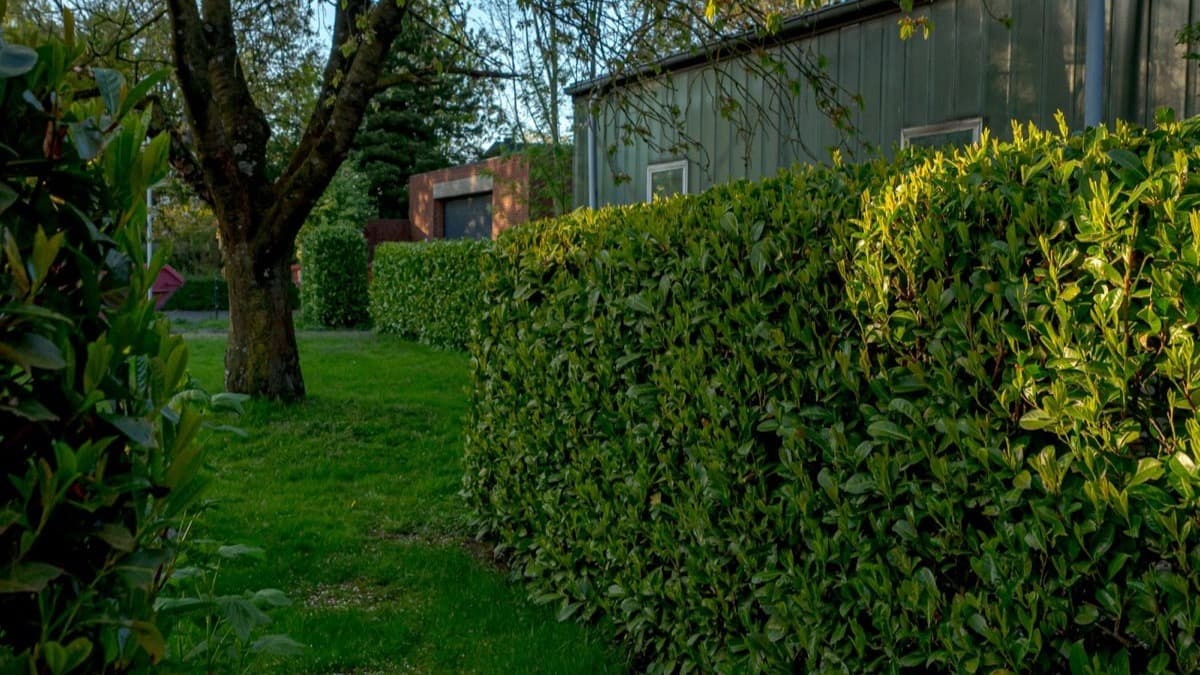
When to Prune Hedges in the Dandenong Ranges
The main hedge prune in the Dandenong Ranges lands in late winter to early spring, with a lighter trim in late summer. A species-by-species timing guide for hills gardens.
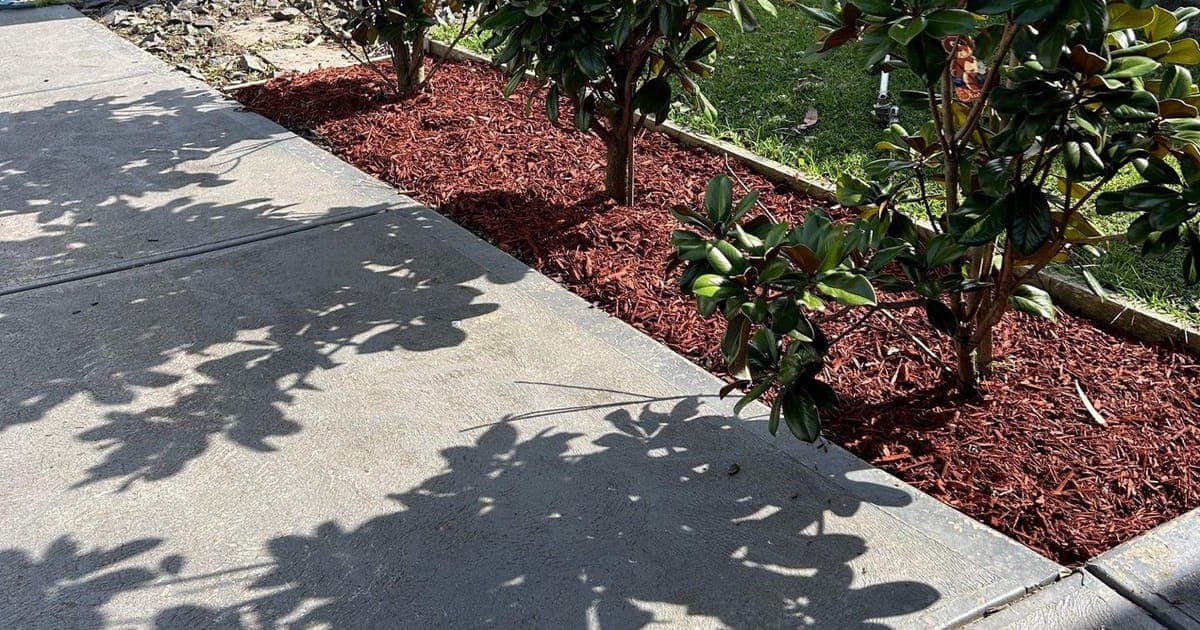
Best Mulch for Dandenong Ranges Gardens
For most hills gardens, a coarse organic mulch, aged hardwood, pine bark or composted leaf and tree chip, is the best all-round choice. How to pick, lay and reuse mulch in the ranges.