
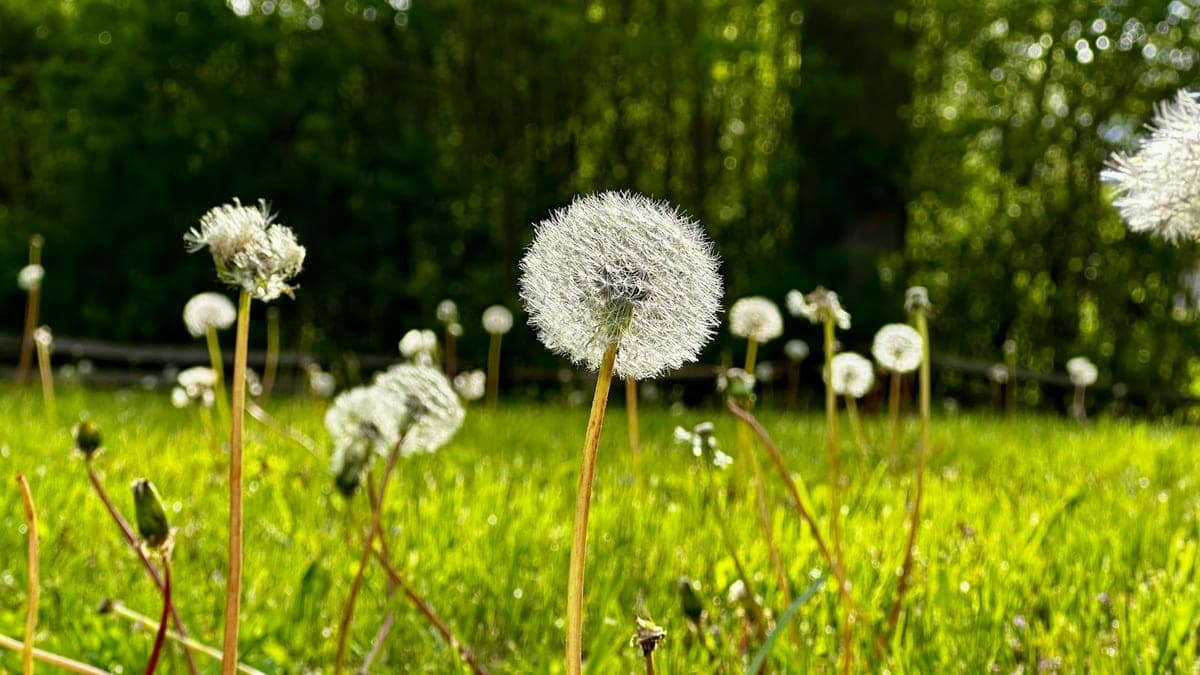
A practical guide to controlling weeds in Melbourne lawns, which herbicides work, when to apply them, and how to build a lawn thick enough to resist weed invasion.
Why Melbourne Lawns Get Weedy
Weeds don't invade healthy, thick lawns. They exploit gaps, thin patches, bare spots, compacted soil, or areas weakened by incorrect mowing, drought stress, or shade. Understanding this principle is key: the best long-term weed control is a healthy lawn that leaves no room for weeds to establish.
That said, even well-maintained Melbourne lawns face weed pressure from wind-blown seeds, bird droppings, contaminated soil, and neighbouring properties. Here's how to deal with the most common offenders.
Melbourne's Most Common Lawn Weeds
Bindii (Jo-Jo / Soliva sessilis)
The most hated weed in Melbourne lawns. Bindii is a low-growing, ferny weed that's barely noticeable until it produces spiny seed heads in late spring that make walking barefoot torture.
- When to treat: Winter to early spring (June–September), before seed heads form
- Treatment: Broadleaf selective herbicide (e.g., Bromoxynil-based products). Two applications 4 weeks apart for best results.
- Prevention: Thick, healthy lawn in autumn prevents bindii germination over winter
Clover (Trifolium spp.)
White or red clover indicates low nitrogen levels in your soil. Clover fixes its own nitrogen from the air, so it thrives where grass is hungry.
- When to treat: Autumn or spring while actively growing
- Treatment: Broadleaf selective herbicide + fertiliser application. Fixing the nitrogen deficiency is as important as killing the clover.
- Prevention: Regular fertilising keeps grass competitive
Paspalum (Paspalum dilatatum)
A coarse, clumping grass weed that stands out from fine-textured lawn varieties. Common in Narre Warren, Berwick, and Casey properties with Couch or Kikuyu lawns.
- When to treat: Summer while actively growing
- Treatment: Spot-spray with glyphosate (kills everything it touches, so careful application is essential) or manual removal including roots. No selective herbicide exists for grass-type weeds in grass lawns.
- Prevention: Thick, vigorously growing lawn grass outcompetes paspalum
Dandelion (Taraxacum officinale)
- When to treat: Autumn or spring
- Treatment: Broadleaf selective herbicide or manual removal (get the entire taproot)
- Prevention: Dense lawn canopy prevents seed germination
Crabgrass (Digitaria spp.)
- When to treat: Pre-emergent herbicide in early spring (before soil temperature reaches 15°C)
- Treatment: Pre-emergent is far more effective than post-emergent control. Once established, crabgrass is difficult to kill selectively.
- Prevention: Annual pre-emergent application in September
The Weed Control Calendar for Melbourne
Winter (June–August)
Apply bindii treatment. First application in June/July, second 4 weeks later. This is the most important weed treatment of the year for Melbourne lawns.
Early Spring (September)
Apply pre-emergent crabgrass control. Fertilise lawn to kickstart spring growth and outcompete emerging weeds.
Late Spring (October–November)
Broadleaf weed treatment for clover, dandelions, and other broadleaf weeds. Weeds are actively growing and absorb herbicide most effectively.
Summer (December–February)
Spot-treat paspalum and summer grasses. Avoid broad-scale herbicide application during extreme heat, it can stress your lawn.
Autumn (March–May)
Second round of broadleaf treatment if needed. Apply slow-release fertiliser to thicken the lawn before winter, which is the best long-term weed prevention.
Professional vs DIY Weed Control
DIY works for: Small areas, spot-treating individual weeds, and applying granular pre-emergent products.
Professional treatment is better for: Broad-scale lawn weed infestations, correct herbicide selection for your grass type (using the wrong product can kill your lawn), and ongoing management programs that combine treatment with fertilising and lawn care.
Professional Lawn Weed Control
Terra Maintenance provides lawn weed control services across Melbourne including Narre Warren, Berwick, Casey, Cardinia, and the Dandenong Ranges. Our licensed operators identify weed species, select the right treatment for your lawn type, and apply products safely and effectively.
Call 0457 868 060 for a free estimate.
Related Articles

Autumn Leaf Removal for Treed Dandenongs Properties
On treed hills properties, autumn leaf removal works best as a series of clears from April to June. Why the drop matters more in the Dandenongs and how to stay ahead of it.
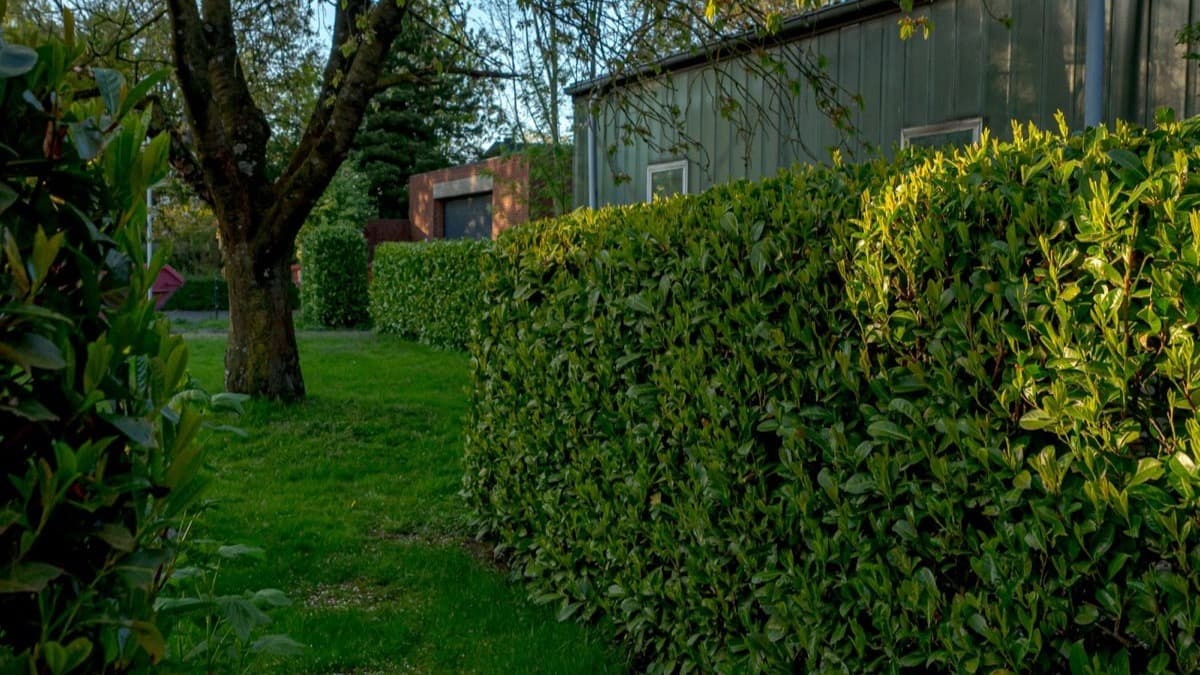
When to Prune Hedges in the Dandenong Ranges
The main hedge prune in the Dandenong Ranges lands in late winter to early spring, with a lighter trim in late summer. A species-by-species timing guide for hills gardens.
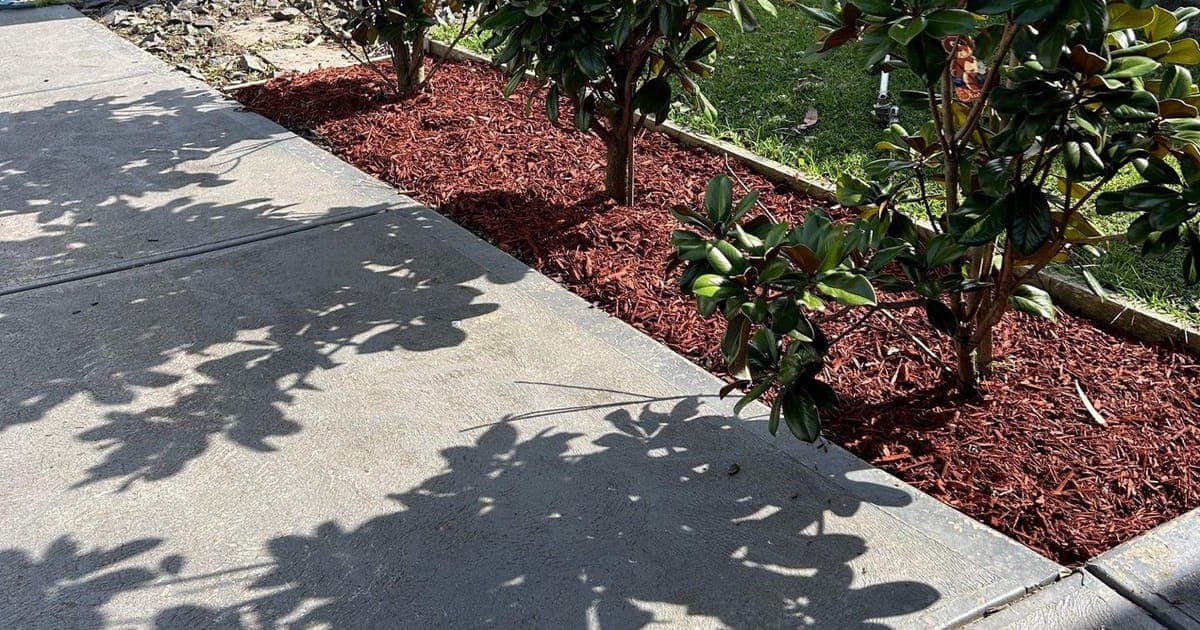
Best Mulch for Dandenong Ranges Gardens
For most hills gardens, a coarse organic mulch, aged hardwood, pine bark or composted leaf and tree chip, is the best all-round choice. How to pick, lay and reuse mulch in the ranges.