
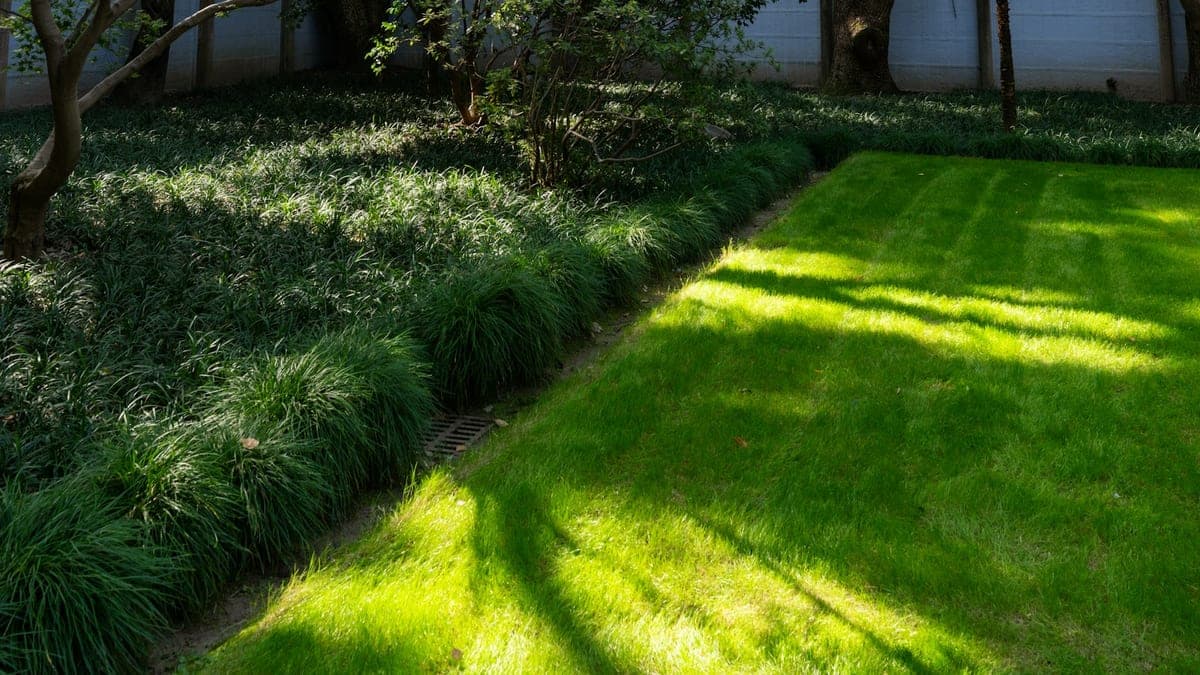
Expert lawn care tips for Melbourne's climate, mowing heights, watering schedules, weed control, and when to call in the professionals.
Understanding Melbourne's Lawn Types
The first step to good lawn care is knowing what grass you have. Melbourne properties typically feature one of these types:
- Kikuyu: Aggressive grower, drought-tolerant, bright green. Common in newer estates across Casey and Cardinia. Needs frequent mowing in summer.
- Couch (Bermuda): Fine-textured, heat-loving, goes dormant in winter. Popular in Narre Warren, Berwick, and Officer estates.
- Buffalo (Sir Walter, Sapphire): Shade-tolerant, soft underfoot, low-maintenance. Ideal for the shaded Dandenong Ranges properties.
- Cool-season mix (Fescue/Ryegrass): Stays green in winter, struggles in extreme heat. Common in older Dandenong Ranges gardens.
Mowing: The Foundation of Lawn Care
Correct mowing is the single most impactful thing you can do for your lawn.
Optimal Mowing Heights
- Kikuyu, 30–40mm in summer, 40–50mm in winter
- Couch, 15–25mm in summer, 25–35mm in winter
- Buffalo, 35–50mm year-round (never scalp Buffalo)
- Cool-season mix, 50–70mm in summer (higher = better heat tolerance), 40–50mm in winter
The One-Third Rule
Never remove more than one-third of the grass blade length in a single mow. If your lawn has gotten away from you, bring it down gradually over 2–3 mows rather than scalping it.
Mowing Frequency by Season
- Spring: Fortnightly to weekly as growth accelerates
- Summer: Weekly for Kikuyu and Couch, fortnightly for Buffalo
- Autumn: Fortnightly as growth slows
- Winter: Monthly or as needed
Watering Melbourne Lawns
Melbourne's water restrictions and variable rainfall mean smart watering is essential.
- Water deeply and infrequently: One deep soak (20–25mm) per week is better than daily light sprinkles. Deep watering encourages deep root growth.
- Water in the morning: Between 6am and 10am. Evening watering promotes fungal disease.
- Let warm-season grasses go dormant: Kikuyu and Couch will brown off in extended dry periods but bounce back after rain. This is natural and not harmful.
Weed Control for Melbourne Lawns
The best weed control is a thick, healthy lawn that doesn't give weeds room to establish. But when weeds do appear:
Common Melbourne Lawn Weeds
- Bindii (Jo-Jo): Treat in winter/early spring before it produces prickly seed heads
- Clover: Indicates low nitrogen; fertilise and spot-treat with broadleaf herbicide
- Paspalum: Remove manually or spot-treat; it thrives where lawns are thin
- Crabgrass: Apply pre-emergent herbicide in early spring before soil warms up
Timing Is Everything
Most broadleaf herbicides work best applied in autumn or spring when weeds are actively growing. Avoid treating during extreme heat or cold.
Seasonal Lawn Maintenance Calendar
Spring
Increase mowing frequency, apply pre-emergent weed control, begin regular watering if dry, and consider a spring fertiliser application.
Summer
Mow regularly at higher heights, water deeply once per week if no rain, spot-treat summer weeds, and avoid fertilising during extreme heat.
Autumn
Reduce mowing frequency, apply slow-release fertiliser, overseed bare patches, and treat broadleaf weeds while conditions are mild.
Winter
Mow monthly, avoid heavy foot traffic on frosted grass, and plan any lawn renovation projects for spring.
When to Call a Professional
DIY lawn care works well for regular mowing and basic maintenance. Consider professional help for:
- Acreage properties: Commercial ride-on mowers handle large areas efficiently
- Overgrown lawns: Professional slashing equipment manages grass that domestic mowers can't handle
- Weed infestations: Licensed operators can apply selective herbicides safely and effectively
- Regular maintenance plans: Free up your weekends with fortnightly professional mowing
Professional Lawn Care Across Melbourne
Terra Maintenance provides lawn mowing and lawn care services across Melbourne, from compact suburban lawns to large acreage properties. We service the Dandenong Ranges, Casey, Cardinia, and surrounding areas.
Call 0457 868 060 for a free estimate.
Related Articles

Autumn Leaf Removal for Treed Dandenongs Properties
On treed hills properties, autumn leaf removal works best as a series of clears from April to June. Why the drop matters more in the Dandenongs and how to stay ahead of it.
When to Prune Hedges in the Dandenong Ranges
The main hedge prune in the Dandenong Ranges lands in late winter to early spring, with a lighter trim in late summer. A species-by-species timing guide for hills gardens.
Best Mulch for Dandenong Ranges Gardens
For most hills gardens, a coarse organic mulch, aged hardwood, pine bark or composted leaf and tree chip, is the best all-round choice. How to pick, lay and reuse mulch in the ranges.