
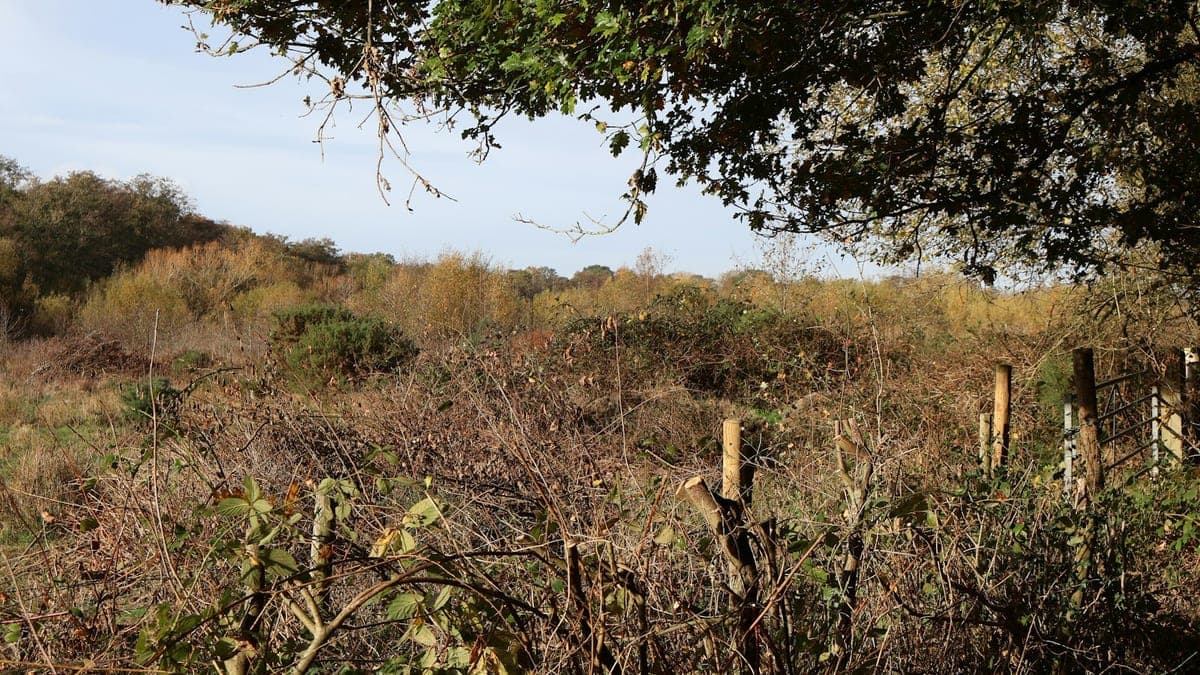
Planning land clearing on your Dandenong Ranges property? Here's what you need to know about permits, methods, costs, and choosing the right contractor in Gembrook, Cockatoo, and Emerald.
Land Clearing in the Dandenong Ranges
Whether you're preparing a block for building, restoring overgrown paddocks, managing bushfire risk, or simply reclaiming land that's gotten ahead of you, land clearing is one of the most common, and most impactful, property services in the Dandenong Ranges.
Properties in Gembrook, Cockatoo, Emerald, Avonsleigh, and Pakenham Upper regularly need professional land clearing due to the rapid vegetation growth driven by the ranges' cool climate, heavy clay soils, and above-average rainfall.
Common Reasons for Land Clearing
Building Site Preparation
We handle the vegetation side of building-site preparation, clearing undergrowth, removing smaller trees (with council permits where required), and opening up access. Excavation, earthworks, and site cuts are referred to our trusted partner Ruggedscapes, and we coordinate our clearing around their works.
Overgrown Block Restoration
Gembrook and Cockatoo properties frequently change hands with years of accumulated growth. Blackberry, bracken fern, and native regrowth can make blocks impassable within 2–3 years of neglect.
Paddock Clearing and Restoration
Rural properties need regular paddock clearing to manage paspalum, thistles, blackberry runners, and saplings that encroach from boundary bush. Left unchecked, paddocks become bush within a few seasons.
Bushfire Preparation
CFA guidelines require defendable space around homes. This means clearing undergrowth, removing dead vegetation, and managing tree canopy within specified zones, particularly critical in the high-risk Dandenong Ranges.
Fence Line and Boundary Clearing
Vegetation growing along fence lines damages fencing and obscures property boundaries. Regular boundary clearing maintains fences and keeps your property looking maintained.
Land Clearing Methods
Machine Clearing
For large areas, we use commercial-grade machinery including ride-on slashers, tractor attachments, and heavy-duty brush cutters, the most efficient method for paddock clearing and broad-scale vegetation removal. Dense, heavy growth (established blackberry thickets, woody regrowth) and any excavator work are handled through our trusted partner Ruggedscapes, specialists in steep-terrain and heavy vegetation clearing.
Manual Clearing
For areas around structures, near retained trees, or on steep slopes where machinery can't safely operate. Uses chainsaws, brush cutters, and hand tools for precision work.
Chemical Treatment
For invasive species like blackberry, chemical treatment (cut-and-paint or spray) is often the most effective long-term approach. Licensed operators apply targeted herbicides to prevent regrowth.
On-Site Mulching
Cleared vegetation is chipped on-site and spread as mulch, reducing waste and suppressing regrowth. This is the most cost-effective and environmentally responsible approach for most properties.
Permits and Regulations
The Dandenong Ranges falls under several planning overlays that affect what clearing you can do:
- Vegetation Protection Overlay (VPO): Requires a planning permit to remove, destroy, or lop native vegetation in many areas of the ranges.
- Significant Landscape Overlay (SLO): Protects the landscape character of the Dandenong Ranges. May require permits for clearing.
- Bushfire Management Overlay (BMO): In designated BMO areas, vegetation clearing within 10 metres of a building is generally exempt from permit requirements for bushfire safety.
Important: Always check with your local council (Cardinia Shire for Gembrook, Yarra Ranges for Cockatoo/Emerald) before undertaking significant clearing. We can advise on common requirements during our on-site assessment.
What Does Land Clearing Cost in Gembrook and the Ranges?
Land clearing costs depend on several factors:
- Area size: Larger areas cost more but the per-square-metre rate typically decreases
- Vegetation density: Light undergrowth vs established blackberry vs mature trees
- Access: Some Dandenong Ranges properties have narrow, steep driveways that limit machinery access
- Disposal: On-site mulching is cheapest; off-site removal adds transport costs
- Slope: Steep terrain requires specialist equipment and takes longer
We provide free on-site assessments and no-obligation estimates for all land clearing work. Call 0457 868 060 to book.
Choosing a Land Clearing Contractor
For Dandenong Ranges properties, look for:
- Local experience: Knowledge of ranges terrain, soil conditions, and common vegetation
- Proper insurance: Minimum $20M public liability for land clearing work
- Equipment range: The right machine for your specific terrain and access conditions
- Planning knowledge: Understanding of local council permit requirements
- Ongoing maintenance: Clearing without follow-up maintenance leads to rapid regrowth. Choose a provider who can also maintain the cleared area.
Areas We Service
We provide land clearing services across the Dandenong Ranges and south-east Melbourne including Gembrook, Cockatoo, Emerald, Avonsleigh, Macclesfield, Pakenham Upper, Mount Burnett, Monbulk, and surrounding areas.
Get a Free Land Clearing Estimate
Terra Maintenance provides professional land clearing services with commercial-grade equipment, $20M insurance, and local knowledge of the Dandenong Ranges. From small block clean-ups to large-scale paddock restoration, we handle it all.
Call 0457 868 060 or request a free estimate online.
Related Articles
Autumn Leaf Removal for Treed Dandenongs Properties
On treed hills properties, autumn leaf removal works best as a series of clears from April to June. Why the drop matters more in the Dandenongs and how to stay ahead of it.
When to Prune Hedges in the Dandenong Ranges
The main hedge prune in the Dandenong Ranges lands in late winter to early spring, with a lighter trim in late summer. A species-by-species timing guide for hills gardens.

Best Mulch for Dandenong Ranges Gardens
For most hills gardens, a coarse organic mulch, aged hardwood, pine bark or composted leaf and tree chip, is the best all-round choice. How to pick, lay and reuse mulch in the ranges.