
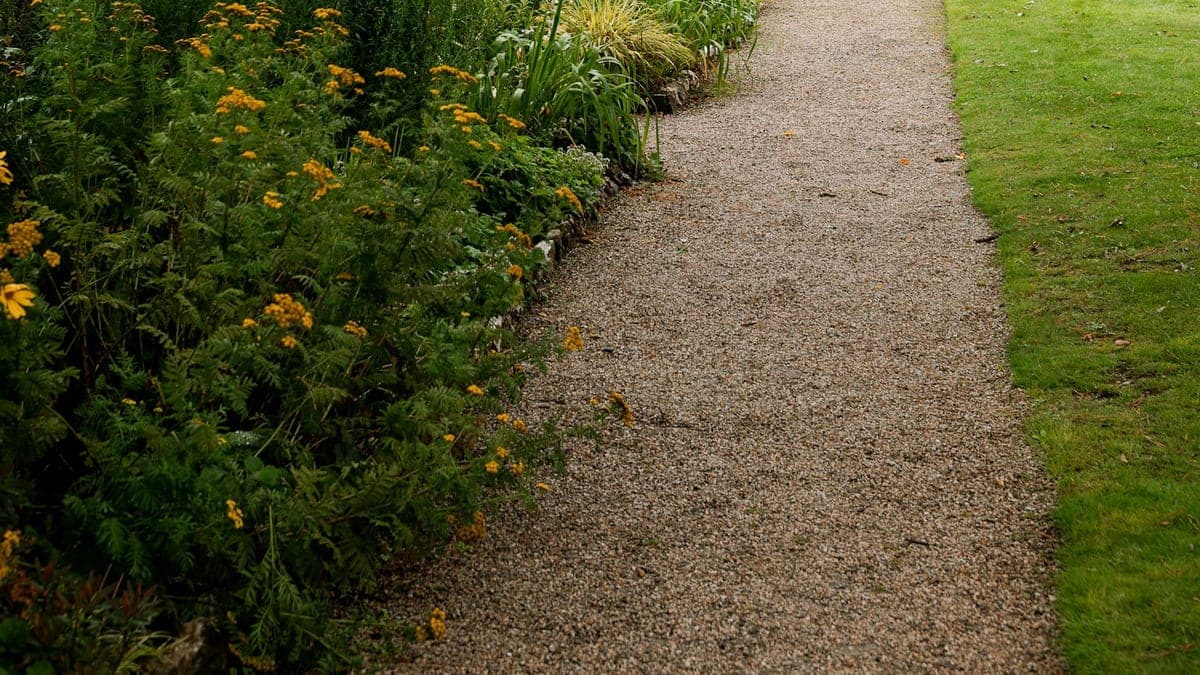
What your Melbourne garden needs in every season, from spring lawn care to autumn mulching. A practical guide to keeping your property looking its best year-round.
Why Seasonal Garden Maintenance Matters in Melbourne
Melbourne's four distinct seasons each bring different challenges and opportunities for your garden. Getting the timing right on key maintenance tasks, mowing frequency, pruning windows, mulching schedules, and weed treatment, is the difference between a garden that thrives and one that's always playing catch-up.
This guide covers what your Melbourne garden needs in each season, with specific advice for properties in the Dandenong Ranges, Casey, and Cardinia regions where conditions can differ from inner-city Melbourne.
Spring (September – November)
Spring is the busiest season for garden maintenance. Everything wakes up at once.
Lawn Care
- Increase mowing frequency: Move from monthly winter mowing to fortnightly (or weekly for warm-season grasses like Couch and Kikuyu).
- Lower the cutting height gradually: Drop 5–10mm per mow until you reach your target summer height.
- Weed treatment: October is the ideal time for broadleaf weed control (bindii, clover, dandelions) while weeds are actively growing.
Garden Beds
- Mulch application: Apply 75–100mm of organic mulch to suppress weeds and retain moisture before summer heat arrives.
- Weed removal: Clear spring weeds before they set seed. This prevents exponentially more weeds in summer.
- Pruning: Shape hedges after their spring growth flush. This is also the time for light pruning of native shrubs.
Trees
- Check for storm damage: Winter storms may have left cracked or hanging branches that need removal before they become hazardous.
- Evergreen pruning: Late spring is ideal for shaping evergreen trees and reducing canopy size.
Summer (December – February)
Summer is about maintenance and protection, keeping on top of growth while conserving water.
Lawn Care
- Mow higher: Raise the cutting height by 10–15mm to help your lawn cope with heat stress. Taller grass shades the root zone and retains moisture.
- Water deeply but infrequently: If watering is needed, one deep soak per week is better than daily light watering. Early morning is best.
- Keep mowing regularly: Don't let grass get too long between mows, as removing more than one-third of the blade length causes stress.
Garden Beds
- Check mulch depth: Top up any areas where mulch has broken down or been displaced.
- Manage summer weeds: Paspalum and crabgrass thrive in summer heat. Spot-treat early before they spread.
Hard Surfaces
- Pressure clean: Summer is the best time for driveway and patio cleaning. Surfaces dry quickly, and you can enjoy them through the warm months.
Autumn (March – May)
Autumn is the most rewarding season for garden work. Cooler conditions make it comfortable to work in, and anything planted or treated now benefits from winter rain.
Lawn Care
- Reduce mowing frequency: Move back to fortnightly as growth slows.
- Autumn fertilising: Apply a slow-release fertiliser in April to strengthen root systems before winter.
- Overseed bare patches: Cool-season grass seed germinates well in autumn's mild temperatures and reliable moisture.
Garden Beds
- Major mulching: Autumn is the best time for fresh mulch application. It protects soil through winter, suppresses cool-season weeds, and breaks down to enrich soil by spring.
- Plant: Autumn planting gives roots months to establish before summer stress. Most native and ornamental plants do best planted in autumn.
Trees
- Deciduous tree assessment: As leaves drop, you can see the branch structure clearly. This is the time to identify dead, crossing, or problematic branches for winter pruning.
Leaf Clean-Up
- Regular leaf removal: Especially important for properties in the Dandenong Ranges, Narre Warren, and Berwick where established deciduous trees drop heavily. Leaf litter left on lawns smothers grass and creates fungal conditions.
Winter (June – August)
Winter is the quiet season, but there's still important work to do.
Lawn Care
- Monthly mowing: Growth slows significantly but doesn't stop entirely in Melbourne.
- Avoid walking on frosted lawns: Frost-damaged grass takes weeks to recover in cold weather.
Trees & Hedges
- Major tree pruning: Winter is the best time for heavy pruning of deciduous trees. The tree is dormant, you can see the structure clearly, and there's less risk of disease transmission.
- Hedge reduction: Overgrown hedges that need major height or width reduction are best cut back in late winter before the spring growth flush.
Bushfire Preparation (Dandenong Ranges)
- Defendable space clearing: Clear undergrowth, remove dead vegetation, and prune low branches within the defendable space zone around your home.
- Gutter cleaning: Remove leaf litter from gutters and around the house.
Need Help With Your Garden Maintenance?
Terra Maintenance provides year-round garden maintenance services across Melbourne, the Dandenong Ranges, Casey, and Cardinia. From regular mowing and hedge trimming to seasonal mulching and tree work, we handle everything your property needs.
Call 0457 868 060 or request a free estimate online.
Related Articles

Autumn Leaf Removal for Treed Dandenongs Properties
On treed hills properties, autumn leaf removal works best as a series of clears from April to June. Why the drop matters more in the Dandenongs and how to stay ahead of it.
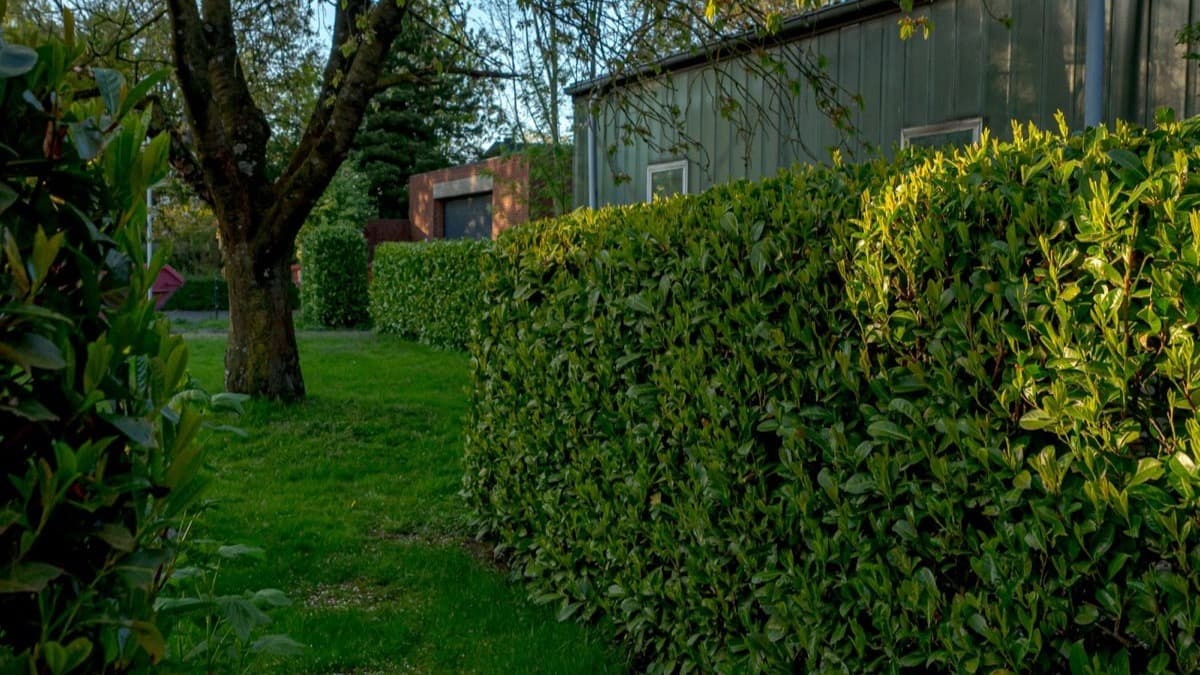
When to Prune Hedges in the Dandenong Ranges
The main hedge prune in the Dandenong Ranges lands in late winter to early spring, with a lighter trim in late summer. A species-by-species timing guide for hills gardens.
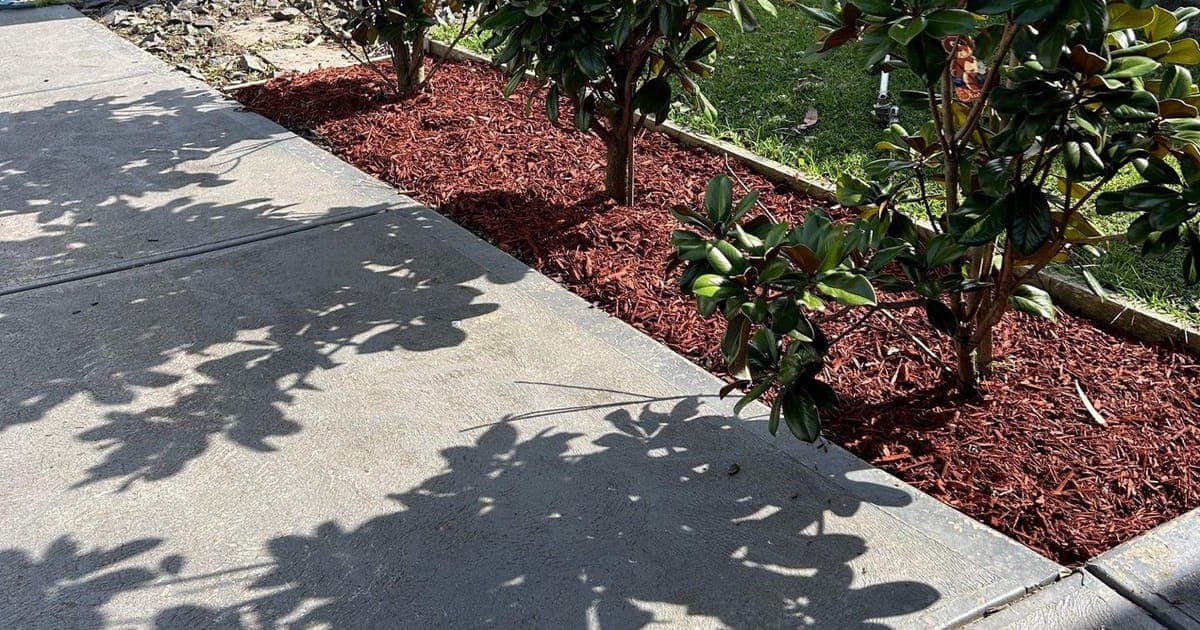
Best Mulch for Dandenong Ranges Gardens
For most hills gardens, a coarse organic mulch, aged hardwood, pine bark or composted leaf and tree chip, is the best all-round choice. How to pick, lay and reuse mulch in the ranges.