
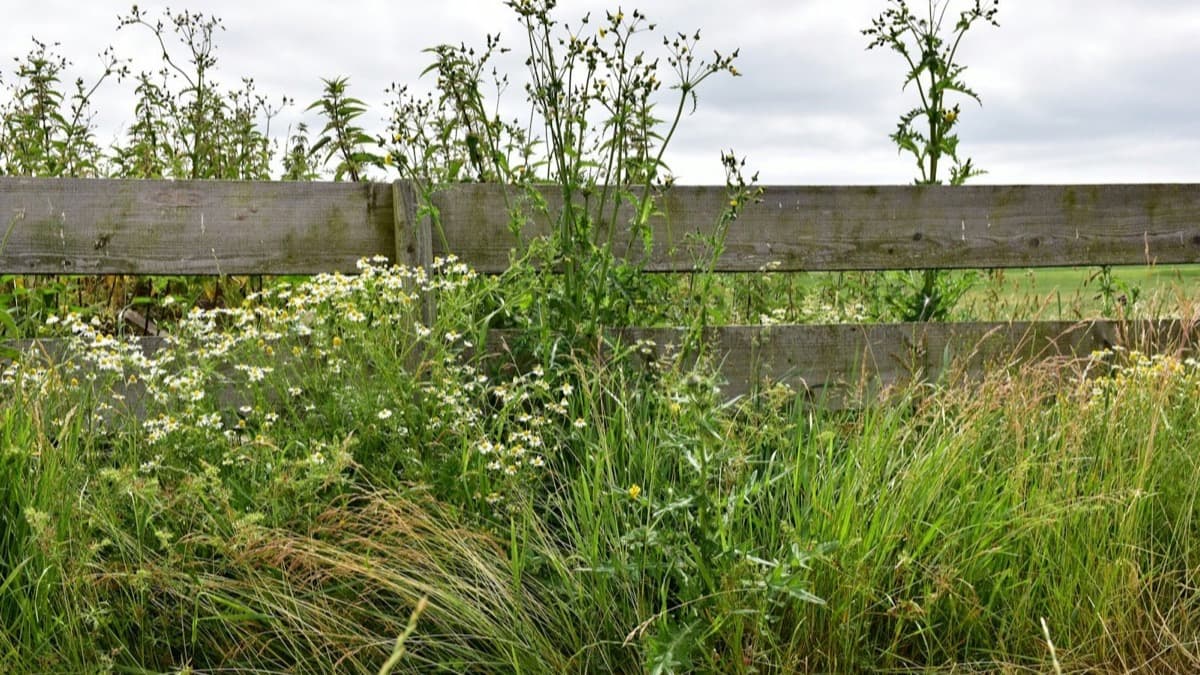
Weed control in the outer south-east comes down to clearing, mulching and staying ahead of the seed. A seasonal guide to the region's worst weeds, couch, oxalis, blackberry and bindii.
Controlling weeds in Melbourne's south-east comes down to three things working together: clearing what is there, blocking light with mulch, and staying ahead of the seed before it sets. In the Dandenong Ranges and the outer south-east, the persistent offenders are couch and kikuyu in lawns, and oxalis, dock, blackberry and creeping buttercup through garden beds and damp, shaded ground. There is no single spray that ends it, consistent timing does.
Here is how to read the weed seasons across the region and keep lawns and beds clean without letting any one weed get established.
The common south-east weeds
Lawn weeds
- Couch and kikuyu, vigorous runners that invade garden beds from the lawn edge. Edge regularly and they stay contained; let them run and they take over beds.
- Bindii (jo-jo), germinates in autumn and sets its prickly seed in spring. Treat in winter, before the seed forms, or you live with the prickles all summer.
- Clover, capeweed and flatweed, broadleaf weeds that move into thin, under-fed lawns.
Garden bed and damp-ground weeds
- Oxalis, spreads by tiny bulbs, so pulling the top leaves it to return. Persistence and smothering beat it, not a single pull.
- Blackberry, a declared invasive across the hills. Best tackled with cutting plus standard herbicide treatment through its active growth, then follow-up on regrowth.
- Creeping buttercup and dock, thrive in the damp, shaded ranges soil and dig in with deep roots.
A weed-control calendar for the ranges
- Autumn: the big germination window after the first rains. Treat broadleaf weeds early and mulch beds before winter to block the next flush.
- Winter: target bindii before it seeds, and stay on top of cool-season weeds in damp beds.
- Spring: peak growth, the catch-up season. Tackle blackberry and oxalis in active growth, and keep lawn edges sharp before runners escape.
- Summer: spot-treat and hand-weed; keep mulch topped up so bare soil does not invite new seed.
The hills run a little behind lowland Melbourne, so push these windows a couple of weeks later than you would in the flatter south-east suburbs.
The control methods that actually work
- Clear first. Hand-weed or slash the existing growth so you are not treating over a thick mat.
- Treat at the right time. Standard herbicide weed control is most effective on actively growing weeds, not stressed, not seeding. (Specialist or large-scale herbicide work beyond standard treatments we refer to specialist contractors.)
- Mulch to suppress. A 50–75 mm layer of mulch over a cleared bed blocks light to the next round of seed. This is the single most effective long-term step for beds.
- Keep the lawn thick. A dense, well-edged lawn crowds weeds out before they start.
- Follow up. Bulb and runner weeds need a second and third pass, one treatment rarely finishes oxalis or blackberry.
A healthy lawn is your best weed barrier
Most lawn weeds move into bare patches and thin, under-mown turf. Consistent lawn mowing and edging at the right height keeps the sward dense and the edges crisp, which stops couch and kikuyu escaping into beds and gives broadleaf weeds nowhere to establish. Mowing, edging and weed control are one system, not separate jobs.
Bringing it together
For garden beds, the durable answer is a cleared, treated bed under a proper depth of mulch, with follow-up on the persistent runners. Our weed management service covers hand weeding and standard herbicide weed control as part of a maintenance plan, so beds and lawns stay on top of the seasons rather than catching up each spring.
Seasonal weed calendar for south-east Melbourne
The calendar above sets the general rhythm. Here is the same year read weed by weed, for the four offenders that cause the most trouble across the outer south-east and the hills: couch, oxalis, blackberry and bindii. Timing does more than effort with all of them. Hit each at its weak point in the season and you do a fraction of the work later.
Autumn (March–May)
- Bindii: this is when it germinates, well before you can see it in the lawn. Getting a broadleaf treatment in now, or through early winter while the plants are young, is far easier than chasing the prickly seed in spring.
- Oxalis: the cool, damp autumn flush brings it up through beds. Clear and smother early so it does not build its bulb reserves over winter.
- Couch: runner growth slows as the soil cools, but the edges are still where it escapes. Keep them sharp before winter so it does not creep into beds while your attention is elsewhere.
- Blackberry: still worth treating on the last of the active growth before it goes dormant for winter.
Winter (June–August)
- Bindii: the key window. Treat while the plants are small and growing, before they set the seed that turns into summer prickles. Miss this and you live with it until next year.
- Oxalis: active through the cool months in the damp, shaded ranges soil. Stay on top of it with smothering and hand removal rather than expecting a single pass to finish it.
- Couch: browns off and sits dormant, so it is quiet, but it is a good time to mulch beds and block the next flush of seed.
- Blackberry: dormant and hard to treat effectively, so hold off. Winter is better spent planning the spring attack.
Spring (September–November)
- Couch: back into vigorous growth and running hard into beds. This is the catch-up season for edging, and the best time to treat it where it has invaded, while it is actively growing.
- Blackberry: back in active growth and at its most treatable. Cut, then treat the regrowth through the growing season, and follow up. Established, woody infestations across a block are a specialist job we refer to our clearing partner rather than tackle as standard weed control.
- Oxalis: puts on a final flush and flowers before the summer dormancy. Keep smothering and pulling to limit the bulbs it banks.
- Bindii: too late to stop the seed if you missed winter. Mow low to reduce what sets, and mark it in the diary for next autumn.
Summer (December–February)
- Couch: peak growth and peak colour in full sun, and the busiest season for edging to keep it out of beds.
- Oxalis: largely dormant, so beds are quiet. Keep mulch topped up over the cleared ground.
- Blackberry: follow up on spring regrowth while it is still actively growing.
- Bindii: the prickle season. Nothing to do now but note it for the autumn germination window.
Because the hills run a couple of weeks behind lowland Melbourne, push these windows slightly later in the higher, cooler gardens around the ranges than you would on the flatter blocks. If staying ahead of this calendar is more than you want to manage, our ongoing weed management builds the seasonal timing into a maintenance plan, and we run the same schedule for clients through weed management in Dandenong and the surrounding hills.
Request an estimate
If weeds are getting away from you across the lawn or beds, request an estimate. We will assess the weeds present, the density and the area on-site, and propose a control and maintenance approach suited to your property.
Frequently asked questions
What is the best way to control garden weeds in the Dandenongs?
Clear the existing growth, treat actively growing weeds with standard herbicide where appropriate, then mulch the bed 50–75 mm deep to block the next flush. Follow up on persistent runners like oxalis and blackberry, which need more than one pass.
When should I treat lawn weeds in Melbourne's south-east?
Autumn is the main germination window, so treat broadleaf weeds early. Target bindii in winter before it sets its prickly seed, and tackle peak-growth weeds through spring. The hills run a couple of weeks behind lowland Melbourne.
Why do my weeds keep coming back?
Bulb weeds like oxalis and runners like blackberry and couch regrow from material left behind, so a single pull or spray rarely finishes them. Consistent follow-up, plus mulch and a thick lawn to block light, is what keeps them down.
Does mulch stop weeds?
A 50–75 mm layer of mulch over a cleared, treated bed blocks light to weed seeds and is the most effective long-term step for beds. It works best alongside clearing and treating first, not over actively growing weeds.
Related Articles

Autumn Leaf Removal for Treed Dandenongs Properties
On treed hills properties, autumn leaf removal works best as a series of clears from April to June. Why the drop matters more in the Dandenongs and how to stay ahead of it.
When to Prune Hedges in the Dandenong Ranges
The main hedge prune in the Dandenong Ranges lands in late winter to early spring, with a lighter trim in late summer. A species-by-species timing guide for hills gardens.
Best Mulch for Dandenong Ranges Gardens
For most hills gardens, a coarse organic mulch, aged hardwood, pine bark or composted leaf and tree chip, is the best all-round choice. How to pick, lay and reuse mulch in the ranges.